
Damp Walls Causing Cough? Black Mold onWalls and Its Effects on Lung Health

Damp Walls Causing Cough? Black Mold on Walls and Its Effects on Lung Health Damp Walls Causing Cough? How Black Mold Affects Your Lung Health During Monsoon The monsoon season brings relief from summer heat, but increased humidity and water seepage can create hidden respiratory health risks inside your home. If you notice persistent coughing, sneezing, or breathing difficulties during the rainy season, damp walls could be one of the contributing factors. Damp walls causing cough is a concern worth investigating, especially when you notice black patches on bedroom walls, ceilings, or behind furniture. These patches may indicate mold growth, which can release microscopic spores into the indoor air. Understanding the connection between dampness, mold exposure, and respiratory health can help you protect your family during the monsoon. Why Do Damp Walls Cause Mold Growth During Monsoon? During heavy rainfall, moisture can enter homes through leaking roofs, damaged pipes, cracks in walls, poorly sealed windows, and inadequate drainage. When indoor humidity remains high and ventilation is insufficient, mold can grow on damp surfaces. Common places where indoor mold develops include: Bedroom walls and ceilings affected by water seepage Bathroom corners with poor ventilation Areas behind wardrobes, cupboards, and furniture Damp mattresses, carpets, curtains, and upholstery Window corners affected by condensation Rooms with persistent moisture and musty odors Mold reproduces by releasing microscopic spores that can become airborne and be inhaled. However, not every black patch is mold, and the color of a patch alone cannot identify the fungal species or determine its health risk. Black Mold on Walls and Health Effects Understanding black mold on walls and health effects is important because prolonged exposure to damp and moldy indoor environments is associated with respiratory symptoms and worsening asthma in susceptible individuals. When mold spores and other particles enter the respiratory system, they may trigger allergic or inflammatory reactions. People with existing allergies, asthma, or mold sensitivity may be particularly affected. Potential symptoms associated with indoor mold exposure include: Frequent sneezing and a runny nose Nasal congestion and itchy eyes Persistent or recurring cough Wheezing or noisy breathing Chest tightness Shortness of breath Worsening asthma symptoms Not everyone exposed to indoor mold develops symptoms. The effects depend on individual sensitivity, existing health conditions, exposure levels, and other indoor environmental factors. If you experience recurring respiratory symptoms in a damp room, addressing the moisture problem and seeking medical advice may help identify the cause. Mold Exposure Symptoms: When Should You Be Concerned? Recognizing mold exposure symptoms can help you identify when indoor conditions may be affecting your respiratory health. Some people notice symptoms that become more frequent while staying in a damp room and improve after spending time elsewhere. These patterns may suggest an environmental trigger, although they do not prove that mold is the cause. Pay attention to symptoms such as: A cough that persists or repeatedly returns Sneezing and nasal irritation indoors Nighttime coughing or wheezing Breathing discomfort in damp rooms Asthma symptoms that become more difficult to control Other conditions, including respiratory infections, dust allergies, and air pollution exposure, can produce similar symptoms. A healthcare professional can assess your symptoms and recommend appropriate investigations when necessary. Damp Walls and Asthma Symptoms: What Is the Connection? The relationship between damp walls and asthma symptoms is especially important for people who already have asthma. Damp and moldy environments may aggravate asthma in susceptible individuals. Exposure to mold and other indoor allergens can contribute to airway inflammation and trigger symptoms such as coughing, wheezing, chest tightness, and breathlessness. Some individuals may experience more frequent asthma flare-ups when exposed to damp indoor environments. People with poorly controlled asthma should not rely on home remedies or cleaning alone to manage worsening breathing symptoms. Continue prescribed asthma treatment as directed and consult your doctor if symptoms increase. In selected patients, fungal sensitization or specific fungal-related lung conditions, such as allergic bronchopulmonary aspergillosis (ABPA), may require specialist evaluation. These conditions are not the usual outcome of ordinary household mold exposure. Why Can Mold-Related Coughing Become Worse at Night? Your bedroom is where you spend several continuous hours every night. If the room has damp walls, mold growth, poor ventilation, or moisture-damaged furnishings, you may experience prolonged exposure to indoor irritants. People with allergies or asthma may notice nighttime coughing, nasal congestion, wheezing, or disturbed sleep. Asthma can also worsen at night because of natural changes in airway function and the body’s biological rhythms. Therefore, nighttime coughing should not automatically be attributed to mold. If you regularly wake up coughing or experience breathing difficulties while sleeping, consult a healthcare professional to determine the underlying cause. Indoor Mold and Lung Health: How to Protect Your Family Protecting indoor mold and lung health starts with controlling moisture. Removing visible mold without fixing the underlying dampness often allows the problem to return. 1. Repair Water Leaks and Damp Walls Inspect roofs, plumbing, windows, and exterior walls for water seepage. Repair the source of moisture before repainting or redecorating. Paint alone will not resolve persistent mold growth. 2. Improve Indoor Ventilation Use bathroom and kitchen exhaust fans where appropriate. Allow fresh air to circulate when outdoor weather and air quality permit. Keep furniture slightly away from damp walls to improve airflow. 3. Control Indoor Humidity Aim to maintain indoor relative humidity between approximately 30% and 50%, where practical. A dehumidifier or air conditioner with effective moisture control may help in persistently humid rooms. 4. Remove Mold Safely Small areas of mold on suitable hard surfaces may be cleaned using appropriate protective equipment and product instructions. Never mix cleaning chemicals, particularly bleach with ammonia or acidic cleaners. Extensive mold growth, recurring contamination, or mold associated with significant water damage may require professional remediation. People with asthma, mold allergies, or weakened immune systems should avoid cleaning mold themselves. 5. Dry Damp Household Items Dry wet curtains, bedding, carpets, and upholstery promptly. Items that remain damp or have extensive mold contamination may need professional cleaning or replacement. 6. Inspect Bedrooms Regularly During Monsoon Check behind
Pulmonary Function Test: Why You May Need One Even With a Normal Chest X-Ray

Pulmonary Function Test: Why You May Need One Even With a Normal Chest X-Ray Pulmonary Function Test: Why You May Need One Even With a Normal Chest X-Ray Have you been experiencing persistent breathlessness, wheezing, chest tightness, or a chronic cough despite having a normal chest X-ray? You may need a Pulmonary Function Test to understand how well your lungs are working. Many people believe that a normal chest X-ray means their lungs are completely healthy. However, certain respiratory conditions, including asthma and Chronic Obstructive Pulmonary Disease (COPD), can affect breathing without causing obvious abnormalities on an X-ray. A Pulmonary Function Test helps doctors evaluate airflow and lung function, making it an important investigation for people with unexplained breathing difficulties. Consulting an experienced Pulmonologist in Guntur can help identify the possible cause of your symptoms and determine the appropriate diagnostic tests. What Is a Chest X-Ray and What Does It Show? A chest X-ray is a commonly used imaging test that helps doctors examine the lungs, heart, ribs, and surrounding structures. It can help identify: Pneumonia and certain lung infections Fluid accumulation around the lungs Collapsed lungs (pneumothorax) Some lung masses and structural abnormalities Certain changes associated with chronic lung diseases However, a chest X-ray mainly shows the structure of the chest. It does not directly measure how effectively air moves through your airways. This is why additional testing may be necessary when respiratory symptoms continue despite a normal X-ray. Can You Have Lung Disease With a Normal Chest X-Ray? Yes. Some lung conditions affect airflow and breathing without producing visible abnormalities on a routine chest X-ray. 1. Asthma Asthma is a chronic respiratory condition that causes inflammation and narrowing of the airways. Common symptoms include wheezing, coughing, chest tightness, and breathlessness. People with asthma may have a completely normal chest X-ray, especially between episodes. Spirometry and other breathing tests can help doctors evaluate suspected asthma. 2. Chronic Obstructive Pulmonary Disease (COPD) COPD is a long-term lung disease associated with persistent airflow obstruction. Smoking, second-hand smoke, biomass fuel exposure, occupational dust, and harmful fumes can contribute to its development. In the early stages, COPD may not cause obvious changes on a chest X-ray. A Pulmonary Function Test, particularly spirometry, is essential for confirming persistent airflow obstruction. 3. Small Airway Disorders Small airways carry air deep into the lungs. Inflammation or narrowing in these airways may contribute to cough, wheezing, and breathing difficulties. Some small airway disorders are not readily visible on a routine chest X-ray. Depending on the symptoms, doctors may recommend pulmonary function testing or additional investigations. A normal chest X-ray does not rule out asthma, COPD, or every other respiratory condition. What Is a Pulmonary Function Test (PFT)? A Pulmonary Function Test (PFT) is a group of tests used to assess how well your lungs work. It can measure airflow, the amount of air your lungs can move, and, when indicated, how efficiently oxygen passes into the blood. One of the most common components of pulmonary function testing is spirometry. During spirometry, you take a deep breath and blow forcefully into a device that measures the amount and speed of the air you exhale. Important measurements include: FEV1: The amount of air you can forcefully exhale during the first second. FVC: The total amount of air you can forcefully exhale after taking a deep breath. FEV1/FVC ratio: Helps identify airflow obstruction. Depending on your symptoms and medical history, your doctor may recommend additional tests, such as lung volume measurements or a diffusing capacity test. Pulmonary function testing provides information about lung function that a chest X-ray alone cannot provide. When Should You Consider a Pulmonary Function Test? Your doctor may recommend a Pulmonary Function Test if you experience: Persistent or unexplained breathlessness Recurrent wheezing A chronic or recurring cough Chest tightness during exercise Breathing difficulties despite a normal chest X-ray Respiratory symptoms associated with smoking or workplace exposure Suspected asthma or COPD A need to monitor an already diagnosed respiratory condition If you experience these symptoms, consulting a Pulmonologist in Guntur can help you understand whether spirometry or other pulmonary investigations are appropriate. Not everyone with breathing difficulties requires the same tests. Your doctor will select investigations based on your symptoms, medical history, physical examination, and initial findings. How Does a Pulmonary Function Test Help Diagnose Asthma and COPD? Pulmonary function testing helps doctors assess whether airflow is restricted and how severe the impairment may be. For suspected asthma, spirometry with bronchodilator testing can help identify variable airflow limitation. However, results may be normal between asthma episodes, so repeat or additional testing may sometimes be necessary. For suspected COPD, spirometry is essential to confirm persistent airflow obstruction in the appropriate clinical context. PFT results can also help doctors monitor changes in lung function and assess the response to treatment. Why Is Early Diagnosis of Breathing Problems Important? Persistent breathlessness should not be ignored simply because your chest X-ray appears normal. Identifying the underlying cause early can help doctors recommend appropriate treatment, address exposure to respiratory irritants, and monitor your condition. If you have asthma, COPD, or another respiratory disorder, timely evaluation may help improve symptom management and support better long-term respiratory health. Remember that breathing difficulties can also result from heart conditions, anaemia, and other medical problems. A normal PFT does not exclude every possible cause of breathlessness. Conclusion: A Normal Chest X-Ray Does Not Always Mean Normal Lung Function A chest X-ray is a valuable diagnostic tool, but it cannot provide a complete assessment of how effectively your lungs work. If you have persistent breathlessness, wheezing, chest tightness, or an unexplained cough despite a normal chest X-ray, a Pulmonary Function Test may help identify airflow abnormalities and guide further evaluation. Consult a qualified respiratory specialist to determine the cause of your symptoms and the most appropriate next steps. Consult a Pulmonologist in Guntur Dr. S. TejaMD – PulmonologyTeja Poly ClinicOld Club Road, GunturAppointments: 81217 35998 If you are experiencing persistent breathing difficulties, arrange a medical evaluation
Traffic Pollution Effects on Lungs: How DailyTwo-Wheeler Commuting Affects Your Health
Traffic Pollution Effects on Lungs: How Daily Two-Wheeler Commuting Affects Your Health Traffic Pollution Effects on Lungs: How Daily Two-Wheeler Commuting Affects Your Health Every day, millions of people travel on motorcycles and scooters to reach their workplaces, schools, and homes. However, daily exposure to traffic dust, vehicle exhaust, and polluted air can affect respiratory health over time. Understanding the traffic pollution effects on lungs is essential for anyone who commutes regularly through busy city roads. You may wash the dust off your face after reaching home, but harmful airborne particles may already have entered your respiratory system. What Causes Traffic Pollution? Traffic pollution is a mixture of harmful particles and gases released by vehicles and other sources along busy roads. Two-wheeler riders are directly exposed to this polluted air, particularly during traffic congestion. Common traffic-related pollutants include: PM2.5: Fine particles that can travel deep into the lungs. PM10: Particles that can irritate the respiratory tract. Nitrogen dioxide: A gas produced by combustion that can irritate the airways. Vehicle exhaust: A mixture of gases and particles that may negatively affect respiratory health. Construction dust, road dust, and smoke can further increase pollution exposure during daily commuting. Traffic Pollution Effects on Lungs Repeated exposure to traffic pollution can irritate the respiratory system and contribute to airway inflammation. The severity of its effects depends on pollution levels, exposure duration, and individual health. Some common symptoms associated with polluted air include: Persistent coughing Wheezing or noisy breathing Chest tightness Throat irritation Shortness of breath Increased mucus production People with asthma, allergies, or existing lung conditions may experience worsening symptoms after exposure to polluted air. Long-term exposure to air pollution is also associated with an increased risk of respiratory diseases and reduced lung function. Even if you feel healthy, reducing unnecessary exposure to traffic pollution is an important step towards protecting your lungs. Can Traffic Pollution Trigger Asthma Symptoms? Yes. Air pollution can trigger asthma symptoms in susceptible individuals. Fine particles and irritating gases may cause airway inflammation and make breathing more difficult. After commuting through heavily polluted roads, some people may experience coughing, wheezing, chest tightness, or breathlessness. If these symptoms occur frequently, do not assume they are simply caused by dust. Consult a pulmonologist to identify the underlying cause and receive appropriate treatment. How Can Two-Wheeler Riders Protect Their Lungs? Although avoiding traffic pollution completely is difficult, several precautions can help reduce exposure. 1. Wear a Properly Fitted N95 Mask A certified N95 respirator that fits snugly can reduce the inhalation of airborne particles, including fine particulate matter. However, it does not reliably protect against harmful gases present in vehicle exhaust. 2. Choose Less Polluted Routes Whenever possible, select routes with less traffic congestion, construction activity, and visible smoke. Avoiding heavily congested roads may help reduce exposure. 3. Check Your City’s Air Quality Index Monitor the Air Quality Index (AQI) to understand local pollution levels. Take additional precautions when air quality is poor. 4. Maintain a Safe Distance from Heavy Vehicles Avoid riding directly behind buses, trucks, and vehicles emitting visible exhaust whenever safely possible. Never compromise road safety to avoid pollution. 5. Avoid Unnecessary Outdoor Exposure When pollution levels are high, reduce unnecessary time spent near busy roads. If possible, adjust your commuting schedule to avoid peak traffic periods. 6. Never Ignore Breathing Problems Frequent coughing, wheezing, chest tightness, or breathlessness after commuting should not be ignored. Medical evaluation can help identify asthma or other respiratory conditions. When Should You Consult a Pulmonologist in Guntur? If you regularly experience breathing difficulties, persistent coughing, or recurring wheezing, consult a lung specialist. A Pulmonologist in Guntur can assess your symptoms, medical history, and exposure to air pollution. Depending on your condition, the doctor may recommend lung function tests or other investigations to determine the cause of your symptoms. Seek urgent medical attention for severe breathlessness, significant chest pain, or rapidly worsening breathing difficulties. Conclusion: Protect Your Lungs from Traffic Pollution Understanding the traffic pollution effects on lungs is important for every daily commuter. Continuous exposure to traffic dust and vehicle exhaust can affect respiratory health, particularly in people with asthma or other existing lung conditions. Wear a properly fitted N95 mask, choose less polluted routes, monitor air quality, and seek medical advice when breathing symptoms persist. Protect Your Ride. Protect Your Breath. Protect Your Lungs. Dr. S. TejaMD – PulmonologyTEJA POLY CLINICOld Club Road, GunturFor Appointments: 81217 35998
Cough with Mucus Treatment: Should You Stop a Productive Cough?

Add Your Heading Text Here Cough with Mucus Treatment: Should You Stop a Productive Cough? Are you experiencing a cough with mucus and thinking about taking a strong cough syrup to stop it? Before choosing a medicine, it is important to understand the right cough with mucus treatment for your symptoms. A productive cough is one of the body’s natural defence mechanisms. It helps clear mucus, irritants, and secretions from the airways. Although coughing can be uncomfortable, stopping every cough may not be the best approach, particularly when mucus is present. If you have a persistent or worsening cough, consulting a qualified doctor can help identify the cause and determine the most appropriate treatment. What Is a Productive Cough? A productive cough is a cough that brings up mucus, also known as sputum or phlegm, from the respiratory tract. It may occur due to respiratory infections, bronchitis, pneumonia, or chronic lung conditions such as asthma, COPD, and bronchiectasis. Mucus helps trap dust, particles, and microorganisms in the airways. Coughing helps remove these secretions and keep the airways clear. However, excessive mucus production or difficulty bringing up phlegm may indicate an underlying respiratory problem that needs medical attention. Why Is the Right Cough with Mucus Treatment Important? Not every cough requires the same medicine. The appropriate cough with mucus treatment depends on the underlying cause, the severity of symptoms, and your overall health. Cough suppressants work by reducing the cough reflex. They may be helpful in selected situations, but they are not suitable for every productive cough. When mucus needs to be cleared from the airways, suppressing the cough indiscriminately may be unhelpful in some circumstances. However, cough suppressants do not automatically trap an infection in the lungs or inevitably cause pneumonia. A healthcare professional can determine whether symptom relief, mucus-loosening medication, airway-clearance techniques, or treatment for an underlying condition is appropriate. Important: Do not choose a strong cough syrup solely because you want to stop coughing quickly. What Causes a Cough with Mucus? Several conditions can cause a mucus-producing cough, including: Viral respiratory infections: Common colds and other viral infections can increase mucus production. Bronchitis: Inflammation of the bronchial tubes may cause coughing and phlegm. Pneumonia: A lung infection may cause cough, fever, chest discomfort, and breathlessness. Asthma: Some people experience mucus production along with wheezing and breathing difficulties. COPD: Chronic lung disease can cause persistent cough and sputum production. Bronchiectasis: This condition can lead to recurrent chest infections and difficulty clearing mucus. The colour of your sputum alone cannot reliably determine whether an infection is bacterial or whether antibiotics are needed. When Should You See a Doctor for a Cough with Mucus? Although many productive coughs improve as an infection resolves, certain symptoms require medical assessment. Consult a doctor if you experience: A cough lasting more than three weeks. Increasing amounts of mucus or persistent phlegm. Blood in your sputum. Fever accompanied by a worsening cough. Wheezing or breathlessness. Repeated chest infections. A persistent cough if you have asthma, COPD, or another chronic lung condition. Seek urgent medical attention if you experience severe breathing difficulty, blue or grey lips, confusion, or significant coughing up of blood. Early evaluation can help identify the cause and prevent delays in appropriate treatment. How Can You Manage a Cough with Mucus? The following measures may help support mucus clearance, depending on your condition: 1. Drink adequate fluids Staying hydrated may help keep mucus easier to clear. Follow your doctor’s advice if you have been instructed to restrict fluids. 2. Avoid smoke and airway irritants Cigarette smoke, dust, and other irritants can aggravate coughing and airway inflammation. 3. Follow your prescribed treatment If you have asthma, COPD, or another respiratory condition, use your prescribed inhalers or nebulization treatment as directed. 4. Ask about mucus-clearing techniques People who have difficulty clearing secretions may benefit from specific airway-clearance techniques recommended by a healthcare professional. 5. Avoid unnecessary cough medicines Different cough syrups contain different ingredients. Some may be unnecessary or unsuitable depending on your age, medical history, and other medications. Antibiotics are not required for every chest infection. Treatment should be based on the likely cause and clinical assessment. Children, pregnant individuals, older adults, and people taking multiple medications should seek appropriate professional advice before using cough medicines. When Should You Consult a Pulmonologist in Guntur? If you have a persistent cough with mucus, repeated respiratory infections, wheezing, or difficulty clearing phlegm, a consultation with a lung specialist may help identify the underlying problem. Consulting a Pulmonologist in Guntur is particularly worth considering if you have a chronic respiratory condition or your cough is not improving as expected. Dr. S. Teja, MD Pulmonology, provides respiratory care at Teja Poly Clinic, Guntur. A medical assessment can help determine the cause of your cough and guide appropriate treatment. Doctor: Dr. S. Teja, MD PulmonologyClinic: Teja Poly Clinic, Old Club Road, GunturAppointments: 8121735998 Conclusion: Choose the Right Cough with Mucus Treatment Not every cough needs to be stopped. A productive cough can help clear mucus and secretions from your airways, making it important to understand why the cough is occurring before choosing medication. The right cough with mucus treatment depends on the cause of the symptoms, the amount of mucus, and whether you have an underlying lung condition. Repeatedly using cough syrup without identifying the cause may delay appropriate care. If your cough persists, worsens, or is accompanied by concerning symptoms, consult a qualified doctor. For ongoing respiratory symptoms, a Pulmonologist in Guntur can help assess your lung health and recommend suitable treatment. Do not self-medicate with strong cough suppressants. Get the right diagnosis and treatment for your cough.
Reusing Disposable Masks: Risks, Safety Tips, and Lung Health

Reusing Disposable Masks: Risks, Safety Tips, and Lung Health Reusing Disposable Masks: Risks, Safety Tips, and Lung Health Reusing Disposable Masks for several days may seem convenient, but it is not a good hygiene practice. Face masks help reduce exposure to respiratory droplets, infectious particles, and certain airborne pollutants when used correctly. However, disposable surgical masks are primarily designed for single use and should not be treated like reusable cloth masks. Understanding when to replace your mask, how to handle a used mask, and how to dispose of it properly can help you maintain good respiratory hygiene. If you are concerned about respiratory health, consulting a Pulmonologist in Guntur can help you understand the appropriate precautions based on your health condition and exposure risks. Why Is Reusing Disposable Masks Not Recommended? Disposable surgical masks can collect moisture from breathing, skin oils, respiratory droplets, dust, and environmental particles during use. Repeated handling and improper storage may also contaminate the mask. When a disposable mask becomes wet, visibly dirty, damaged, or difficult to breathe through, it should be replaced immediately. Prolonged use without proper replacement can compromise hygiene and may affect the mask’s performance. Although every reused mask does not automatically cause an infection, reusing disposable masks for several days is not recommended. Always follow the manufacturer’s instructions for safe use and disposal. Can Reusing Disposable Masks Increase the Risk of Respiratory Infections? Masks can collect microorganisms and particles from the surrounding environment. Touching a contaminated mask and then touching your eyes, nose, or mouth may contribute to the spread of germs. However, it is important to understand that a reused mask does not automatically cause a respiratory infection. The potential risk depends on factors such as mask condition, handling, storage, and environmental exposure. To reduce unnecessary risks, avoid repeatedly touching the front surface of your mask. Wash or sanitize your hands after handling a used mask, and replace disposable masks according to the recommended guidelines. If you experience persistent coughing, breathing difficulties, or other respiratory symptoms, consult a qualified doctor for appropriate evaluation. How Often Should You Change Your Mask? Knowing when to replace your mask is an important part of respiratory hygiene. The recommended approach depends on the type of mask you use. 1. Disposable Surgical Masks Disposable surgical masks are intended primarily for single use. Discard them after use and replace them sooner if they become wet, dirty, damaged, or difficult to breathe through. Avoid washing or disinfecting disposable surgical masks for routine reuse, as this can damage their filtration properties. 2. Reusable Cloth Masks Unlike disposable masks, cloth masks can be washed and reused. Wash them with detergent after each use and allow them to dry completely before wearing them again. Replace cloth masks that become damaged, stretched, or difficult to clean properly. 3. N95 Respirators N95 respirators offer a different level of respiratory protection from ordinary surgical masks when properly fitted and used. Follow the manufacturer’s instructions and applicable healthcare or workplace guidance regarding reuse and replacement. Do not assume that the rules for disposable surgical masks automatically apply to N95 respirators. How Should You Dispose of a Used Disposable Mask? Proper disposal is another important aspect of mask hygiene. Follow these steps when removing and discarding a disposable mask: Remove the mask using its ear loops or ties. Avoid touching the front surface unnecessarily. Place the used mask in an appropriate waste bin, following local waste-disposal guidance. Clean your hands after handling the used mask. Never share masks with other people. Do not wash, apply alcohol to, or heat disposable surgical masks to prepare them for routine reuse. These methods can damage the mask’s structure and filtration performance. Do Masks Help Protect Your Lung Health? Correctly selected and properly worn masks can help reduce exposure to infectious respiratory particles and certain airborne pollutants. Their effectiveness depends on the type of mask, filtration efficiency, fit, and consistency of use. People with asthma, COPD, or other chronic respiratory conditions may need individualized advice about mask selection and use, particularly in crowded indoor environments or areas with poor air quality. For personalized respiratory guidance, consulting a Pulmonologist in Guntur can help you understand suitable protective measures based on your symptoms, medical history, and daily environment. When Should You Consult a Pulmonologist in Guntur? Consider seeking medical advice if you experience: Persistent coughing or wheezing. Shortness of breath that is new or worsening. Repeated respiratory infections. Breathing discomfort associated with dust, smoke, or air pollution. Concerns about managing asthma or COPD in crowded environments. Severe or sudden breathing difficulty requires urgent medical attention. Conclusion: Avoid Reusing Disposable Masks for Days Reusing Disposable Masks for several days is not recommended. Disposable surgical masks should generally be discarded after use, while reusable cloth masks should be washed after each use. N95 respirators require separate handling and replacement guidance. Maintaining proper mask hygiene, choosing an appropriate mask, and disposing of it correctly can support better respiratory protection. For expert advice on lung health, asthma, COPD, and respiratory protection, consult Dr. S. Teja, MD Pulmonology, at Teja Poly Clinic, Guntur. Doctor: Dr. S. Teja, MD PulmonologyClinic: Teja Poly Clinic, GunturAppointments: 8121735998 Protect your breathing by choosing the right mask and using it correctly.
Biomass Smoke Lung Damage: How Traditional Cooking Fuels Affect Your Lungs
Biomass Smoke Lung Damage: How Traditional Cooking Fuels Affect Your Lungs Biomass Smoke Lung Damage: How Traditional Cooking Fuels Affect Your Lungs Biomass smoke lung damage is an important respiratory health concern in households that use traditional cooking fuels such as firewood, cow dung cakes, crop residues, and coal. Although these fuels have been used for generations, burning them indoors can release harmful particles and gases that affect lung health, especially in kitchens with poor ventilation. Many people associate lung diseases primarily with cigarette smoking. However, prolonged exposure to household air pollution is another recognized risk factor for chronic respiratory conditions, including chronic obstructive pulmonary disease (COPD). Even people who have never smoked can develop respiratory problems after years of exposure to biomass cooking smoke. What Is Biomass Smoke Lung Damage? Biomass smoke lung damage refers to the harmful effects that repeated exposure to smoke from burning organic materials can have on the respiratory system. When firewood, cow dung cakes, and crop residues burn, they release fine particulate matter and gases that can irritate the airways and contribute to inflammation. In enclosed or poorly ventilated kitchens, these pollutants can accumulate and increase the amount of smoke people inhale. Over time, repeated exposure may contribute to persistent respiratory symptoms and long-term lung damage. The effects may not be noticeable immediately. People who cook over traditional chulhas every day may experience symptoms only after years of exposure. Can Biomass Smoke Cause COPD in Non-Smokers? Yes. Long-term exposure to household air pollution from biomass fuels is a recognized risk factor for COPD, including in people who have never smoked cigarettes. COPD is a chronic lung disease that restricts airflow and can make breathing increasingly difficult. Common symptoms include: Persistent cough: A cough that continues for weeks or months. Cough with sputum: Regular production of mucus. Breathlessness: Difficulty breathing during walking, climbing stairs, or other daily activities. Wheezing: A whistling sound while breathing, known in Telugu as “పిల్లికూతలు.” Reduced exercise tolerance: Feeling tired or breathless during activities that were previously manageable. Repeated respiratory infections: Frequent episodes of respiratory illness. Women who spend many hours cooking with solid fuels may experience substantial cumulative exposure. Children, older adults, and other family members can also be affected by indoor air pollution. However, not everyone exposed to biomass smoke develops COPD. The risk varies according to exposure duration, smoke concentration, ventilation, and individual susceptibility. Why Is Biomass Smoke Harmful to Your Lungs? Understanding the causes of biomass smoke lung damage can help families make informed decisions about cooking practices. 1. Fine particulate matter enters the respiratory tract Burning solid fuels releases tiny particles that can travel deep into the lungs. Repeated exposure can irritate the respiratory system and contribute to inflammation. 2. Poor ventilation increases exposure Traditional chulhas used inside enclosed kitchens can produce high levels of indoor air pollution. Without effective ventilation, smoke and harmful pollutants may remain in the breathing environment. 3. Long-term exposure may affect lung function Repeated exposure over several years can contribute to chronic respiratory symptoms and an increased risk of COPD. The severity of the effects depends on the intensity and duration of exposure and other individual risk factors. 4. Visible smoke is not the only concern Even when smoke is less noticeable, harmful pollutants may still be present. Reducing pollution at its source is more effective than relying on the absence of visible smoke. Who Is Most at Risk From Biomass Cooking Smoke? Certain people may experience greater exposure or be more vulnerable to its effects: Women who cook daily using firewood or other solid fuels. Children living in homes where traditional cooking fuels are used indoors. Older adults with existing respiratory conditions. People with asthma or other chronic lung diseases. Individuals who cook in poorly ventilated spaces for extended periods. Reducing exposure can help protect the respiratory health of the entire household. How Can You Prevent Biomass Smoke Lung Damage? Taking practical steps to reduce indoor air pollution can help protect your lungs and your family’s health. Switch to cleaner cooking fuels: Use LPG, electricity, or other genuinely clean cooking options whenever possible. These can substantially reduce household pollution compared with traditional solid fuels. Improve kitchen ventilation: Install an effective exhaust system that directs smoke outdoors. Proper ventilation can help reduce exposure, although it may not eliminate the risks of continued solid-fuel burning. Avoid burning solid fuels indoors: Whenever possible, avoid using firewood, coal, and crop residues inside living spaces. Protect children and older adults: Minimize their time near cooking smoke, especially when traditional fuels are being used. Do not ignore respiratory symptoms: Persistent cough, wheezing, sputum production, or breathlessness should not be dismissed as a normal part of ageing or daily work. When Should You Consult a Pulmonologist in Guntur? If you have been exposed to biomass cooking smoke for many years and experience persistent cough, mucus production, wheezing, or breathlessness, seek medical evaluation. Consulting a Pulmonologist in Guntur can help you understand your symptoms and determine whether further investigation is needed. Depending on your medical history and examination, a doctor may recommend spirometry or pulmonary function testing (PFT) to assess your lung function. Early evaluation can help identify COPD and other respiratory conditions, allowing appropriate treatment and preventive measures to begin. Seek urgent medical attention if you experience severe or sudden breathing difficulty. If you are concerned about the effects of traditional cooking smoke on your lungs, consult Dr. S. Teja, MD Pulmonology, at Teja Poly Clinic, Guntur, for professional respiratory health guidance. Conclusion: Protect Your Lungs From Biomass Smoke Biomass smoke lung damage is a preventable health concern that deserves greater awareness. You do not have to smoke cigarettes to develop serious respiratory problems. Years of exposure to smoke from traditional indoor cooking fuels can increase the risk of COPD and other lung conditions. Switching to cleaner cooking fuels, reducing indoor smoke exposure, and improving ventilation can help protect your family’s respiratory health. Do not ignore a persistent cough or breathing difficulties. Early medical evaluation and
Morning Headache Causes: Could SleepApnea Be Affecting Your Sleep?
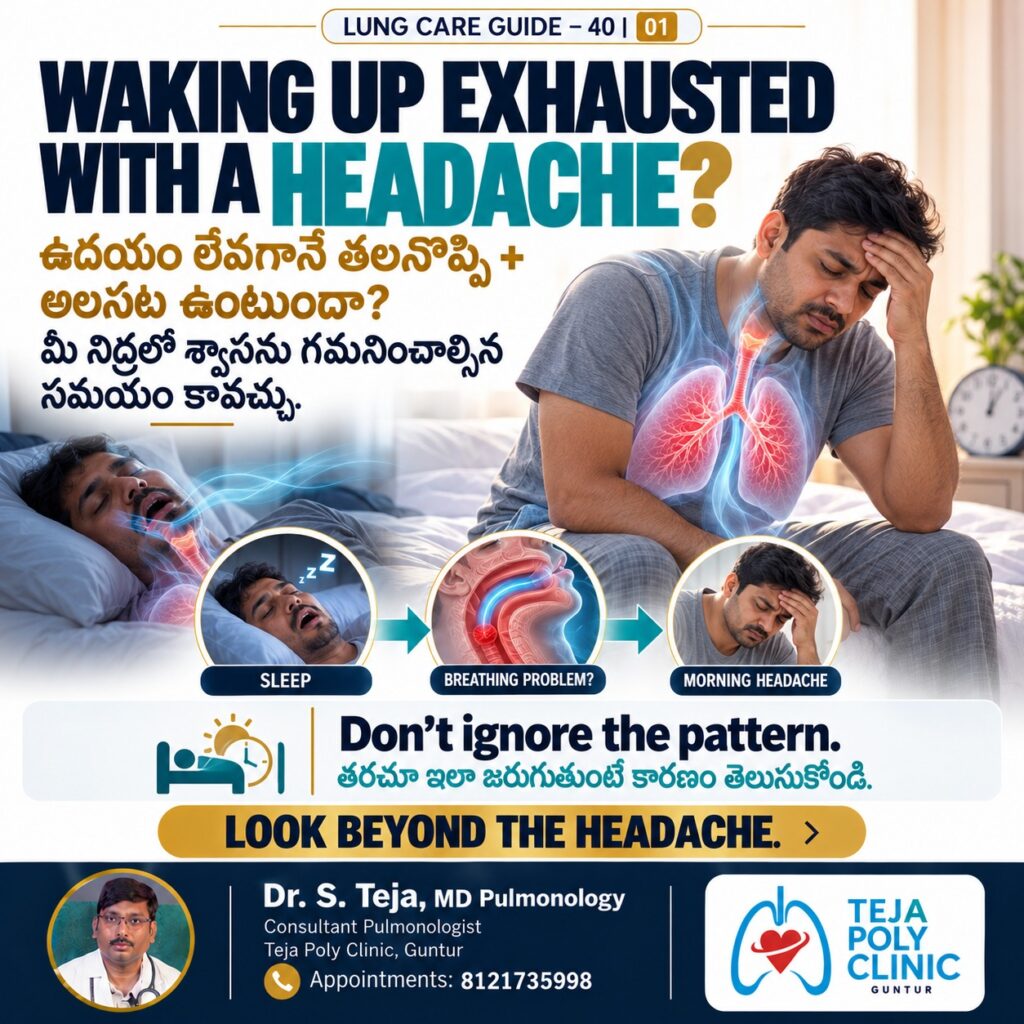
Morning Headache Causes: Could Sleep Apnea Be Affecting Your Sleep? Morning Headache Causes: Could Sleep Apnea Be Affecting Your Sleep? Do you wake up with a headache even after sleeping for seven to eight hours? Do you feel exhausted throughout the day, struggle to concentrate, or experience excessive sleepiness despite getting enough rest? Understanding the possible morning headache causes is important, especially when these headaches occur frequently. While dehydration, migraine, poor sleep quality, and other medical conditions can cause morning headaches, one often-overlooked possibility is obstructive sleep apnea (OSA). If you regularly wake up with a headache, snore loudly, or feel tired even after a full night’s sleep, evaluating your sleep quality and breathing patterns may help identify the underlying cause. What Are the Common Morning Headache Causes? Morning headaches can develop for several reasons. Identifying the cause is essential for receiving appropriate treatment. Some common morning headache causes include: Poor sleep quality: Interrupted or insufficient sleep may contribute to headaches and daytime fatigue. Dehydration: Not drinking enough fluids can trigger headaches in some people. Migraine: Migraines can occur in the morning and may be associated with nausea or sensitivity to light and sound. Medication overuse: Frequent use of certain pain-relieving medicines can lead to medication-overuse headaches. Sleep apnea: Repeated interruptions in breathing during sleep can contribute to morning headaches and excessive daytime sleepiness. Other medical conditions: Blood pressure problems, certain medications, and other health conditions may also contribute to morning headaches. If your headaches occur repeatedly after waking up, particularly alongside snoring or unrefreshing sleep, sleep apnea deserves consideration. Can Sleep Apnea Cause Morning Headaches? Yes. Morning headaches are a recognized symptom associated with obstructive sleep apnea, although not everyone with sleep apnea experiences them. During sleep, the muscles supporting the upper airway relax. In people with OSA, the airway repeatedly narrows or becomes blocked, reducing airflow and sometimes lowering blood oxygen levels. These breathing disturbances can interrupt normal sleep patterns and affect how refreshed you feel the following morning. Sleep apnea may contribute to morning headaches through several mechanisms: 1. Interrupted sleep: Repeated breathing disturbances prevent consistently restorative sleep. 2. Oxygen fluctuations: Blood oxygen levels may decrease during some episodes of airway obstruction. 3. Changes in carbon dioxide: Inadequate ventilation can cause carbon dioxide levels to rise temporarily. 4. Daytime fatigue: Poor-quality sleep may lead to tiredness, reduced concentration, and excessive daytime sleepiness. However, a morning headache does not automatically mean that you have sleep apnea. A medical evaluation is necessary to determine the likely cause. Warning Signs You Should Not Ignore Apart from understanding morning headache causes, recognizing associated symptoms can help you decide when to seek medical advice. Watch for these warning signs: Frequent headaches immediately after waking up Loud or habitual snoring Pauses in breathing noticed by a family member Waking up gasping or choking Excessive daytime sleepiness Difficulty concentrating or memory problems Feeling unrefreshed despite spending enough time in bed High blood pressure along with sleep-related symptoms People who are overweight, have a larger neck circumference, or have certain anatomical features may have an increased risk of obstructive sleep apnea. However, sleep apnea can also affect people who are not overweight. If you experience several of these symptoms, consult a qualified doctor for further evaluation. Can Painkillers Treat Morning Headaches? Painkillers may provide temporary relief, depending on the type of headache. However, they do not treat an underlying sleep-related breathing disorder. If you repeatedly wake up with a headache and also experience snoring, gasping during sleep, or daytime tiredness, do not rely solely on pain relief. Repeated use of certain headache medicines can itself contribute to medication-overuse headaches. Your doctor can help identify the cause and recommend appropriate treatment. Seek urgent medical attention if a headache begins suddenly and is extremely severe, or if it occurs with weakness, confusion, loss of consciousness, or new vision or speech problems. How Is Sleep Apnea Diagnosed? If your symptoms suggest sleep apnea, a pulmonologist can evaluate your medical history, sleep habits, symptoms, and relevant risk factors. Depending on the assessment, your doctor may recommend: Sleep study (polysomnography): A test that monitors breathing and other body functions during sleep. Home sleep apnea testing: An appropriate option for selected adults when recommended by a healthcare professional. Further evaluation: Additional investigations may be needed to assess other possible morning headache causes. The appropriate test depends on your symptoms and medical history. What Are the Treatment Options for Sleep Apnea? Treatment depends on the severity of the condition and individual patient needs. Possible treatment options include: CPAP therapy: Continuous positive airway pressure helps keep the airway open during sleep. Weight management: May help improve sleep apnea in patients for whom weight is a contributing factor. Positional therapy: May help selected patients whose sleep apnea is worse when sleeping on their backs. Other individualized treatments: Oral appliances or selected procedures may be appropriate in certain cases. Treating sleep apnea can improve sleep quality and daytime alertness and may reduce sleep-apnea-related morning headaches in many patients. When Should You Consult a Pulmonologist in Guntur? If you frequently wake up with a headache, feel exhausted despite adequate sleep, or experience loud snoring and breathing interruptions during the night, consider seeking medical advice. Consulting a Pulmonologist in Guntur can help you evaluate possible sleep-related breathing disorders and determine whether a sleep study is needed. Early evaluation can help identify the underlying cause and guide appropriate treatment rather than simply managing the headache symptoms. Conclusion: Don’t Ignore Repeated Morning Headaches Understanding the possible morning headache causes is the first step toward finding lasting relief. Although dehydration, migraine, poor sleep, and other conditions may contribute to morning headaches, obstructive sleep apnea is an important possibility when headaches occur alongside loud snoring, gasping during sleep, or excessive daytime sleepiness. Do not ignore persistent or recurring symptoms. Getting the right medical assessment can help identify the cause and improve your overall sleep quality and well-being. Consult Dr. S. Teja for Respiratory and Sleep-Related Concerns Dr. S. Teja, MD
Persistent Hoarseness: Why a Hoarse Voice for More Than 3 Weeks Should Not Be Ignored

Persistent Hoarseness: Why a Hoarse Voice for More Than 3 Weeks Should Not Be Ignored Persistent Hoarseness: Why a Hoarse Voice for More Than 3 Weeks Should Not Be Ignored Have you noticed that your voice has become hoarse, raspy, weak, or unusually deep? A temporary voice change is common during a cold, throat infection, excessive talking, or shouting. Usually, the voice gradually returns to normal once the underlying problem improves. But when a voice change continues for several weeks, it should not simply be ignored. Persistent hoarseness, particularly when it lasts for more than three weeks without an obvious cause, deserves medical evaluation. Although most cases are caused by non-serious conditions, persistent changes in the voice can sometimes indicate an underlying problem involving the vocal cords, larynx, airways, or chest. What Is Persistent Hoarseness? Persistent hoarseness means an abnormal change in the quality, pitch, or strength of your voice that continues for an extended period. Your voice is produced when air from your lungs passes through the vocal cords, also called vocal folds, inside the larynx. The vocal cords vibrate as air passes through them, creating sound. If the vocal cords become inflamed, irritated, swollen, or unable to move normally, your voice may become: Rough or raspy Weak or breathy Deeper than usual Difficult to project Easily tired while speaking Accompanied by frequent throat clearing Persistent hoarseness is a symptom rather than a diagnosis. Finding the underlying cause is important for appropriate treatment. What Causes Persistent Hoarseness? There are many possible causes of a hoarse voice, and not all of them are serious. Common causes include: 1. Viral Throat or Respiratory Infections Colds, flu, and other respiratory infections can temporarily inflame the vocal cords. The voice usually improves as the infection settles. 2. Excessive Voice Use Frequent shouting, prolonged speaking, singing, or speaking loudly can place excessive stress on the vocal cords and lead to voice changes. 3. Chronic Cough Repeated coughing can continuously irritate the vocal cords. If the cough persists for several weeks, it can contribute to ongoing hoarseness. 4. Acid Reflux Stomach acid reaching the throat can irritate the larynx and vocal cords. Some people may experience hoarseness, throat clearing, or a sensation of something stuck in the throat. 5. Allergies and Post-Nasal Drainage Allergies can cause nasal congestion and mucus drainage into the throat. Repeated throat clearing may further irritate the vocal cords. 6. Smoking and Tobacco Exposure Smoking can directly irritate the vocal cords and surrounding tissues. Long-term tobacco exposure is also associated with several serious conditions affecting the respiratory and upper airway systems. Why Can Chronic Cough Cause Hoarseness? The vocal cords are delicate structures that need to vibrate smoothly. During forceful coughing, the vocal cords come together rapidly and experience repeated mechanical stress. If coughing continues for weeks, this repeated irritation may cause inflammation and contribute to a rough or weak voice. Therefore, when persistent hoarseness occurs along with a chronic cough, it is important to identify the cause of the cough rather than treating only the voice change. Conditions such as asthma, respiratory infections, reflux, smoking-related airway irritation, and other respiratory problems can sometimes contribute to chronic cough. Is Persistent Hoarseness Always Serious? No. Most cases of persistent hoarseness are not caused by cancer. Vocal strain, infections, reflux, allergies, and chronic coughing are common explanations. However, persistent or unexplained hoarseness should not automatically be assumed to be a minor throat problem. In some cases, voice changes can occur because of problems affecting the larynx, vocal cords, trachea, or structures near the nerves that control vocal cord movement. Rarely, persistent hoarseness may be associated with serious conditions, including cancers involving the larynx, throat, lung, or nearby structures. The key message is simple: Persistent hoarseness does not mean cancer, but persistent unexplained hoarseness deserves evaluation. When Should You See a Doctor for Hoarseness? Medical evaluation is particularly important if your hoarseness: Continues for more than 3 weeks Keeps coming back without an obvious reason Occurs together with a persistent cough Causes difficulty swallowing Causes pain while speaking or swallowing Is accompanied by coughing up blood Occurs with unexplained weight loss Causes breathing difficulty Is associated with noisy breathing Develops in someone who smokes or has significant tobacco exposure Do not wait indefinitely for your voice to return to normal if the problem continues. What Tests May Be Needed? The evaluation depends on your symptoms and medical history. A doctor may examine your throat and respiratory system and, when appropriate, recommend an examination of the vocal cords using laryngoscopy. If persistent hoarseness is associated with cough, breathlessness, smoking history, chest symptoms, or other concerning findings, additional respiratory investigations or chest imaging may be recommended. The goal is not to assume the worst. The goal is to identify the cause of persistent hoarseness and provide the right treatment. Persistent Hoarseness and Smoking Smoking is an important risk factor that should not be overlooked when evaluating long-lasting voice changes. Smoke can irritate the vocal cords and respiratory tract. Long-term tobacco exposure can also increase the risk of serious diseases affecting the lungs, larynx, and other parts of the respiratory system. If you smoke and have developed persistent hoarseness, especially when it lasts longer than three weeks, medical evaluation becomes particularly important. Quitting tobacco is one of the most important steps you can take to protect your respiratory health. When Should You Consult a Pulmonologist in Guntur? If persistent hoarseness is accompanied by chronic cough, breathlessness, wheezing, recurrent respiratory infections, chest discomfort, or other lung-related symptoms, a respiratory evaluation may be appropriate. Consulting a Pulmonologist in Guntur can help assess whether your persistent voice change may be connected to an underlying respiratory condition. Depending on your symptoms, your doctor may also coordinate evaluation with an ENT specialist when the vocal cords or larynx need more detailed examination. The right specialist depends on the suspected cause. Don’t Ignore a Voice Change That Lasts for Weeks A hoarse voice after a cold or a day of excessive talking is usually
Exercise for Breathlessness: Can Exercise Really Help?
Exercise for Breathlessness: Can Exercise Really Help? Exercise for Breathlessness: Can Exercise Really Help? Do you avoid physical activity because you are afraid that exercise will make your breathlessness worse? You are not alone. Many people with asthma, COPD, chronic lung disease, or reduced lung function limit their daily activities because they feel short of breath during exercise. But here is something important to understand: avoiding exercise completely may actually make breathlessness worse over time. Appropriate exercise for breathlessness can help improve muscle strength, physical fitness, endurance, and confidence when it is performed safely and according to your medical condition. Why Does Exercise Cause Breathlessness? Breathlessness during physical activity can occur for several reasons. People with conditions such as COPD, asthma, interstitial lung disease, heart conditions, or poor physical fitness may experience shortness of breath when exercising. When you exercise, your muscles need more oxygen and produce more carbon dioxide. Your breathing naturally becomes faster and deeper to meet these demands. If your lungs or cardiovascular system cannot meet these increased demands efficiently, you may experience breathlessness. Because this feeling can be uncomfortable, many people begin avoiding physical activity. This can create a cycle: Lung condition → Breathlessness → Avoiding exercise → Muscle weakness → Reduced fitness → More breathlessness Breaking this cycle is an important part of managing many chronic respiratory conditions. Can Exercise Help With Breathlessness? Yes, appropriate exercise for breathlessness can help improve your physical capacity and ability to perform everyday activities. Regular physical activity can help strengthen the muscles of your legs and arms, improve endurance, and make your body more efficient at using oxygen. As your fitness improves, activities such as walking, climbing stairs, bathing, dressing, and household work may become easier. However, exercise does not mean pushing yourself until you are exhausted. The goal is safe, gradual and consistent physical activity based on your health condition. What Is Pulmonary Rehabilitation? For people with certain chronic respiratory conditions, pulmonary rehabilitation may be recommended. Pulmonary rehabilitation is a structured program that commonly includes: Supervised exercise training Breathing techniques Education about lung disease Strategies to manage breathlessness Energy-conservation techniques Lifestyle guidance Nutritional advice when appropriate Pulmonary rehabilitation is particularly beneficial for many people with COPD and may also be appropriate for selected patients with other chronic respiratory diseases. The objective is not to repair permanently damaged lungs. Instead, it helps patients use their available physical capacity more effectively and improve their ability to perform daily activities. Breathing Exercises for Breathlessness Certain breathing techniques may help some people manage their breathing more effectively. One commonly used technique is pursed-lip breathing, where you breathe in gently through your nose and breathe out slowly through partially closed lips. This technique may help some people with obstructive lung diseases control their breathing and reduce the sensation of breathlessness. Other breathing techniques may also be recommended depending on the individual’s condition. However, breathing exercises are not suitable as a substitute for medical treatment. The right technique should depend on your diagnosis and symptoms. Don’t Let Fear of Breathlessness Stop You Many people become less active because they are afraid of becoming breathless. But prolonged inactivity can lead to muscle deconditioning. When your muscles become weaker, everyday activities can require more effort, potentially making you feel breathless more easily. That is why a carefully planned approach to exercise for breathlessness can be valuable. Start gradually, follow professional guidance, and increase activity according to your tolerance and medical advice. The goal is not to exercise harder. The goal is to become stronger and more active safely. When Should You See a Pulmonologist? Not every episode of breathlessness is caused by a lung problem. You should seek medical evaluation if your breathlessness is new, worsening, unexplained, or interfering with your daily activities. Medical advice is especially important if you have: COPD or another chronic lung condition Frequent asthma symptoms Breathlessness during routine activities Low oxygen levels A recent respiratory infection or hospitalization Chest pain during exercise Dizziness or fainting during exertion A significant reduction in exercise tolerance A Pulmonologist in Guntur can evaluate your symptoms and determine whether lung function testing, oxygen assessment, medication adjustment, pulmonary rehabilitation, or another evaluation may be appropriate. Exercise Should Be Individualized There is no single exercise plan that is suitable for everyone with breathlessness. Your appropriate activity level can depend on your diagnosis, lung function, oxygen levels, medications, fitness level, age, and other health conditions. Therefore, if you have significant respiratory symptoms, speak with a qualified healthcare professional before starting an intense exercise program. With the right guidance, many people with chronic respiratory conditions can safely become more active and improve their ability to perform daily activities. The Bottom Line Exercise for breathlessness isn’t about pushing your body beyond its limits. It’s about improving your strength, endurance, and confidence safely. Avoiding all physical activity may contribute to muscle weakness and reduced fitness, which can make everyday activities more difficult. If you frequently experience breathlessness, don’t simply stop exercising without understanding the cause. Consult a Pulmonologist in Guntur to identify the reason for your symptoms and discuss an appropriate physical activity or pulmonary rehabilitation plan. Dr. S. Teja, MD PulmonologyTeja Poly Clinic, GunturAppointments: 8121735998
Obesity and Breathing Problems: How Excess Weight Affects Your Lungs
Obesity and Breathing Problems: How Excess Weight Affects Your Lungs Obesity and Breathing Problems: How Excess Weight Affects Your Lungs Can obesity cause breathing problems? Yes. Being overweight or obese can affect the way your lungs, chest wall, and diaphragm work, making breathing more difficult. Obesity and breathing problems are often linked, particularly during walking, climbing stairs, exercising, or sleeping. Excess body weight can increase the effort required to breathe and may also raise the risk of conditions such as obstructive sleep apnea, asthma symptoms, and reduced exercise tolerance. Maintaining a healthy weight is therefore important for both respiratory and overall health. How Does Obesity Affect Breathing? Breathing depends on the lungs, chest wall, and diaphragm working together efficiently. When there is excess fat around the abdomen and chest, this normal breathing process can become more difficult. Abdominal fat can push the diaphragm upward, reducing the space available for the lungs to expand. Excess tissue around the chest can also restrict chest-wall movement. As a result, the respiratory muscles may need to work harder with each breath. This is one reason why obesity and breathing problems can occur even without an underlying lung disease. Obesity and Shortness of Breath Shortness of breath is a common symptom associated with excess weight. Physical activities such as walking, climbing stairs, or exercising require more oxygen when the body has greater mass. At the same time, excess weight can make breathing mechanically less efficient. These factors can combine to cause breathlessness and reduced exercise capacity. This may create a cycle: Extra weight → increased breathing effort → less physical activity → reduced fitness → further weight gain Gradual weight management and regular physical activity, when medically appropriate, can help break this cycle and improve overall fitness. Can Obesity Reduce Lung Capacity? Yes. Obesity can reduce certain measures of lung function, particularly functional residual capacity (FRC) and expiratory reserve volume (ERV). These effects can become more noticeable as the degree of obesity increases. However, not every breathing problem is caused by excess weight. Conditions such as asthma, chronic obstructive pulmonary disease (COPD), heart disease, anemia, and sleep apnea can also cause breathlessness. Therefore, persistent or unexplained breathing difficulties should be properly evaluated rather than automatically attributed to obesity. Obesity and Sleep Apnea One of the important connections between obesity and breathing problems is obstructive sleep apnea (OSA). Excess weight can increase the risk of narrowing or blockage of the upper airway during sleep. People with sleep apnea may experience: Loud or frequent snoring Gasping or choking during sleep Excessive daytime sleepiness Morning headaches Poor concentration Unrefreshing sleep If you are overweight and regularly snore or feel unusually tired during the day, speak with a doctor about whether a sleep evaluation may be appropriate. Can Weight Loss Improve Breathing? For people who are overweight or obese, gradual and sustainable weight loss may improve breathing comfort, exercise tolerance, and overall fitness. Weight management can also help reduce the severity of obesity-related conditions, including obstructive sleep apnea. A healthy approach should include a balanced diet, appropriate physical activity, adequate sleep, and professional medical guidance when needed. Crash diets and extreme weight-loss methods are generally not sustainable. When Should You See a Pulmonologist? Do not assume that persistent breathlessness is simply due to excess weight. You should seek medical evaluation if you experience: Persistent or worsening breathlessness Breathlessness with minimal activity Chronic cough or wheezing Reduced exercise capacity Loud snoring with daytime sleepiness Recurrent chest infections Breathlessness with chest pain, dizziness, or fainting A pulmonologist in Guntur can evaluate your symptoms and determine whether they are related to obesity or another respiratory or medical condition. Depending on your symptoms, evaluation may include spirometry or pulmonary function tests (PFT), chest imaging, oxygen saturation assessment, blood tests, or a sleep study. The Bottom Line Obesity and breathing problems can be closely connected. Excess weight can increase the work of breathing, reduce certain lung volumes, decrease exercise tolerance, and increase the risk of sleep apnea. Healthy weight management and regular physical activity can support better respiratory health. However, persistent or unexplained breathlessness should never be ignored. If you are experiencing breathing difficulties and need professional evaluation, consult Dr. S Teja, MD Pulmonology, at Teja Poly Clinic, Guntur. Dr. S Teja, MD PulmonologyTeja Poly Clinic, GunturAppointments: 8121735998