
Pigeon Allergy Symptoms: How Pigeon Droppings Can Harm Your Lungs
Pigeon Allergy Symptoms: How Pigeon Droppings Can Harm Your Lungs
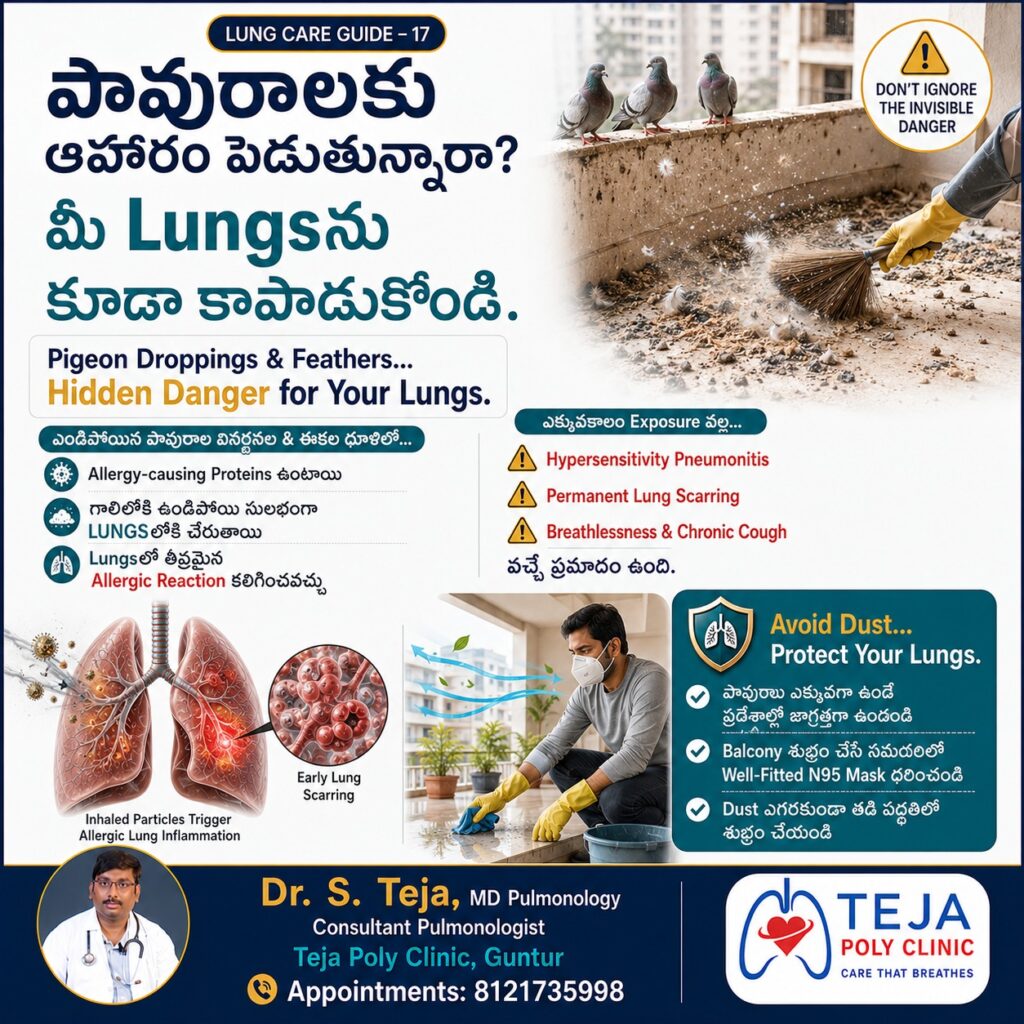
Feeding pigeons is a common sight in parks, balconies, and apartment complexes. While this simple act may seem harmless, frequent exposure to pigeons can pose serious health risks. The real danger is not the birds themselves but the dried droppings, feathers, and dust they leave behind. These can trigger pigeon allergy symptoms and, in some cases, lead to severe lung diseases.
Understanding these risks can help you protect yourself and your family from preventable respiratory illnesses.
What Causes Pigeon Allergy Symptoms?
Pigeons often roost on balconies, window ledges, rooftops, and air conditioner units. Over time, their droppings accumulate and dry in the sun. As the droppings crumble, they mix with tiny feather particles and become airborne whenever the wind blows or someone sweeps the area.
When inhaled, these microscopic particles enter deep into the lungs and may trigger an allergic reaction in susceptible individuals. This condition is commonly known as Bird Fancier’s Lung, a form of Hypersensitivity Pneumonitis.
Common Pigeon Allergy Symptoms
Many people mistake the early signs of pigeon-related lung disease for a common cold or seasonal allergy. However, persistent exposure can cause symptoms that gradually worsen over time.
Common pigeon allergy symptoms include:
Persistent dry cough
Shortness of breath
Wheezing
Chest tightness
Fatigue
Fever-like symptoms after exposure to pigeon dust
Difficulty breathing during physical activity
These symptoms may improve when you are away from the exposure but often return after spending time near pigeon roosting areas.
How Pigeon Droppings Damage the Lungs
Dried pigeon droppings contain proteins that can trigger an abnormal immune response in the lungs. Instead of protecting the body, the immune system causes inflammation within the tiny air sacs (alveoli), making it difficult for oxygen to pass into the bloodstream.
Repeated exposure causes ongoing inflammation, which may eventually result in permanent lung damage.
Without treatment or avoidance of exposure, this condition can progress to pulmonary fibrosis, where healthy lung tissue is replaced by scar tissue. Unfortunately, lung scarring is irreversible and can significantly reduce lung function.
Who Is at Higher Risk?
Anyone exposed to pigeon droppings regularly may develop respiratory problems, but certain individuals are at greater risk:
People feeding pigeons daily
Residents of apartments with pigeon-infested balconies
Building maintenance workers
Housekeepers cleaning bird droppings
Bird breeders and bird owners
Individuals with asthma or existing lung diseases
Children, older adults, and people with weakened immune systems may also experience more severe symptoms.
How to Prevent Pigeon Allergy Symptoms
The best way to prevent lung damage is to reduce exposure to pigeon dust and droppings.
Follow these simple precautions:
Avoid feeding pigeons near your home.
Prevent pigeons from nesting on balconies and window ledges.
Never dry sweep pigeon droppings.
Wet the area thoroughly with water and detergent before cleaning.
Always wear a properly fitted N95 mask and gloves while cleaning contaminated areas.
Wash your hands thoroughly after handling bird droppings.
Ensure balconies and outdoor spaces remain clean and well-maintained.
These preventive measures significantly reduce the risk of inhaling harmful airborne particles.
When Should You Consult a Doctor?
If you experience persistent coughing, unexplained breathlessness, wheezing, or fatigue after exposure to pigeons, do not ignore these symptoms.
Early diagnosis of Hypersensitivity Pneumonitis is essential because continued exposure may lead to permanent lung scarring. Medical evaluation may include lung function tests, chest imaging, and other investigations to determine the extent of lung involvement.
Prompt treatment and avoidance of exposure can often prevent disease progression.
Consult a Pulmonologist in Guntur
If you notice recurring pigeon allergy symptoms or unexplained breathing difficulties after exposure to bird droppings, consult an experienced Pulmonologist in Guntur without delay.
At Teja Poly Clinic and Maternity Hospital, Dr. S. Teja provides comprehensive evaluation and treatment for respiratory allergies, chronic cough, asthma, Hypersensitivity Pneumonitis, pulmonary fibrosis, and other lung diseases. Early diagnosis can help preserve lung function and improve long-term respiratory health.
Final Takeaway
Feeding pigeons may seem like a harmless daily habit, but prolonged exposure to pigeon droppings and feather dust can have serious consequences for your lungs. Recognizing pigeon allergy symptoms early and taking preventive measures can help protect your respiratory health.
Avoid direct exposure, follow safe cleaning practices, and seek medical attention if you develop persistent cough, breathlessness, or wheezing. If symptoms continue, consult a trusted Pulmonologist in Guntur for expert diagnosis and personalized treatment before irreversible lung damage occurs.