
Incense Smoke Asthma: The Hidden Indoor Air Pollution That Can Harm Your Lungs
Incense Smoke Asthma: The Hidden Indoor Air Pollution That Can Harm Your Lungs
The soothing fragrance of burning agarbatti (incense sticks) is a cherished part of daily life in many Indian homes. Whether used during prayers, meditation, or to create a pleasant atmosphere, incense is often associated with peace and positivity. However, many people are unaware of the connection between incense smoke asthma and other respiratory problems.
If you or a family member has asthma, allergies, or chronic lung disease, the smoke from burning incense may do more harm than good.
How Incense Smoke Affects Your Lungs
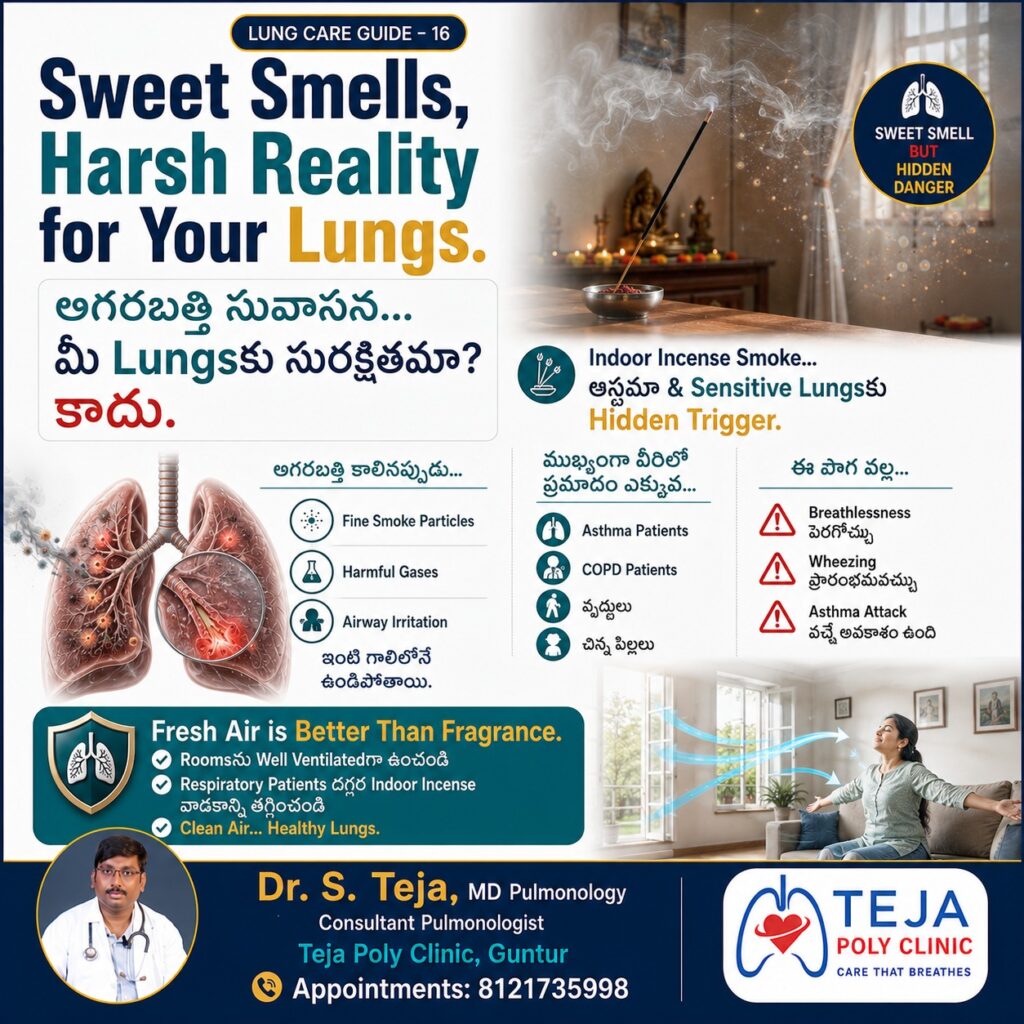
When an incense stick burns, it releases much more than fragrance. The combustion process produces smoke filled with microscopic particles and harmful gases that pollute indoor air. Unlike outdoor pollution, these pollutants become concentrated in enclosed spaces where you and your family breathe.
This makes incense smoke asthma a real concern, especially for people with sensitive airways.
What Is Present in Incense Smoke?
1. Fine Particulate Matter (PM2.5)
Burning incense produces ultra-fine particles known as PM2.5. These tiny particles are small enough to bypass your body’s natural defenses and travel deep into the lungs.
Long-term exposure may contribute to:
Persistent cough
Shortness of breath
Lung inflammation
Worsening asthma symptoms
2. Harmful Chemical Gases
Many commercially available incense sticks contain synthetic fragrances, chemical binders, and artificial colors. During burning, they may release harmful pollutants such as:
Volatile Organic Compounds (VOCs)
Carbon Monoxide (CO)
Formaldehyde
These pollutants can irritate the respiratory tract and reduce indoor air quality.
Incense Smoke Asthma: Why Asthma Patients Should Be Careful
For individuals living with asthma, incense smoke can act as a powerful trigger. The smoke irritates already sensitive airways, causing them to narrow and become inflamed.
Exposure may lead to:
Sudden asthma attacks
Severe coughing
Wheezing
Chest tightness
Difficulty breathing
Children, elderly adults, pregnant women, and people with chronic bronchitis, COPD, or allergic rhinitis are also more vulnerable to the harmful effects of incense smoke.
Even if the fragrance feels calming, the smoke itself can aggravate respiratory conditions.
Does Natural Incense Make a Difference?
Many people believe herbal or natural incense is completely safe. While natural ingredients may reduce exposure to certain chemicals, any burning material produces smoke and fine particulate matter. Therefore, even natural incense should be used cautiously, particularly around individuals with asthma or other lung diseases.
How to Reduce the Risk
You don’t have to stop your religious or cultural practices. Instead, take simple steps to improve indoor air quality while continuing your daily rituals.
Protect Your Family by Following These Tips
Burn incense only in well-ventilated areas.
Open windows and doors to allow fresh air circulation.
Use exhaust fans whenever possible.
Avoid burning multiple incense sticks at the same time.
Never burn incense in closed rooms.
Keep incense away from children, elderly individuals, and asthma patients.
If someone develops coughing or wheezing, extinguish the incense immediately.
Good ventilation significantly reduces indoor smoke exposure and helps protect lung health.
When Should You See a Doctor?
If you notice that coughing, wheezing, breathlessness, or chest tightness occurs repeatedly after exposure to incense smoke, it should not be ignored.
Persistent respiratory symptoms may indicate uncontrolled asthma, allergic airway disease, or another underlying lung condition requiring medical evaluation.
Early diagnosis and treatment can prevent long-term complications and improve quality of life.
Consult a Pulmonologist in Guntur
If you or your loved one experiences breathing difficulties triggered by indoor smoke, consult an experienced Pulmonologist in Guntur for a comprehensive respiratory assessment.
At Teja Poly Clinic and Maternity Hospital, Dr. S. Teja specializes in diagnosing and treating asthma, allergies, chronic cough, COPD, and other respiratory diseases. Personalized evaluation and appropriate treatment can help you breathe easier and protect your lungs for the future.
Final Takeaway
The pleasant fragrance of incense should never overshadow the importance of clean indoor air. Understanding the link between incense smoke asthma and respiratory health allows you to make safer choices without giving up your traditions.
A few simple precautions—such as improving ventilation and limiting smoke exposure—can go a long way in protecting your lungs. If you experience persistent breathing problems, seek timely care from a trusted Pulmonologist in Guntur to keep your lungs healthy and your family breathing safely.