
How Fast Is a Sneeze? The Jet-Engine Physics Behind Your Lungs
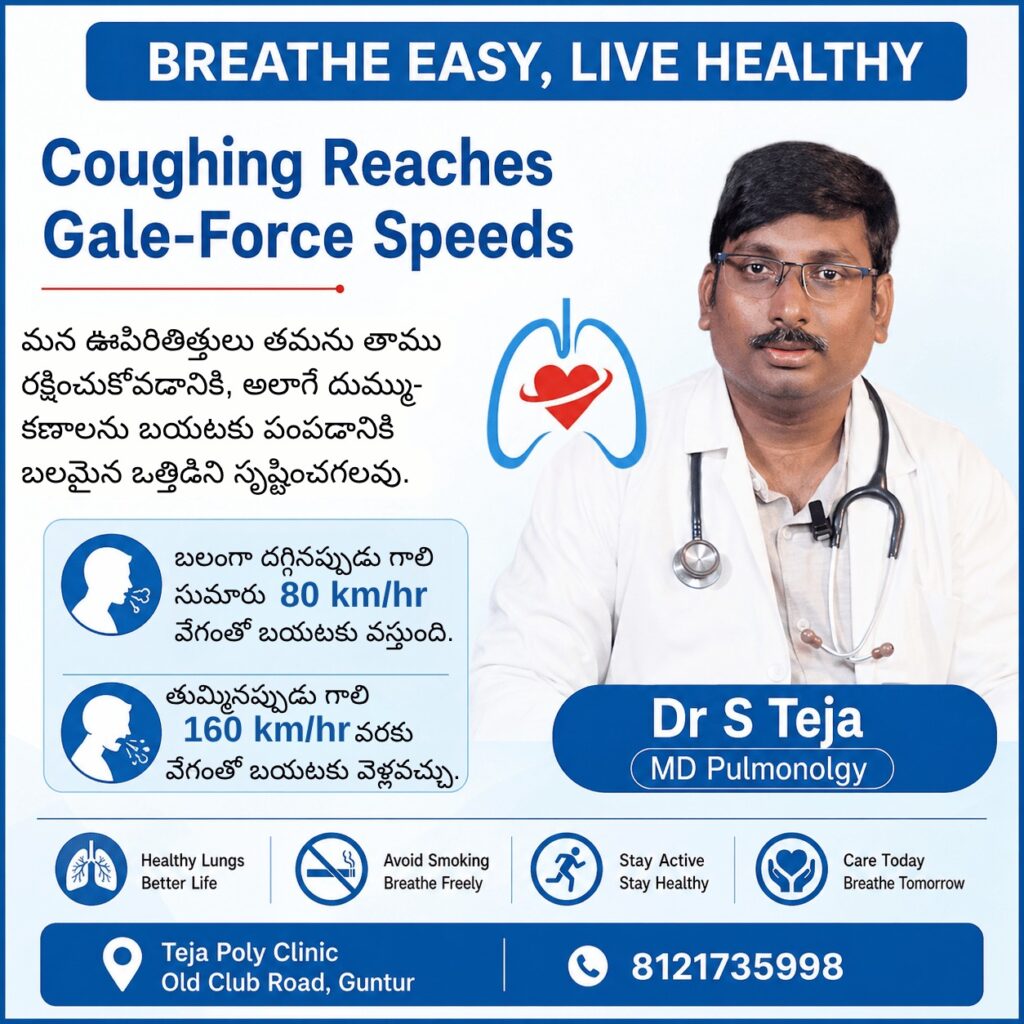
Ever wondered how fast is a sneeze or why a simple cough can echo across a quiet room? What feels like a small reflex is actually a powerful, high-speed biological defense system. Your lungs, airways, and muscles work together like a precision-engineered pressure chamber—capable of producing explosive bursts of air in milliseconds.
Let’s break down the science behind these everyday phenomena and why they matter for your respiratory health.
The Anatomy of a Cough: Controlled Power at 50 MPH
A cough isn’t random—it’s a highly coordinated mechanism designed to clear your airways.
Here’s how it works:
Inspiration: You take a deep breath, filling your lungs with air.
Compression: Your vocal cords close while chest and abdominal muscles contract, building intense internal pressure.
Expulsion: The vocal cords suddenly open, releasing a rapid burst of air.
Speed Check:
A strong cough can reach speeds of up to 50 miles per hour (80 km/h).
This force helps dislodge mucus, dust, or irritants stuck in your respiratory tract. Without this velocity, your lungs would struggle to stay clear.
How Fast Is a Sneeze? The 100 MPH Phenomenon
Now to the main question: how fast is a sneeze?
A sneeze is even more powerful than a cough. It’s your body’s way of clearing the nasal passages—essentially rebooting your air filtration system.
Key Facts:
Speed: Up to 100 miles per hour (160 km/h)
Droplets released: Up to 40,000 microscopic particles
Trigger: Irritation in the nasal lining (dust, pollen, viruses)
Because your nasal passages are narrower than your throat, the same pressure generates a much higher exit velocity. That’s why sneezes feel more explosive and harder to control.
Cough vs. Sneeze: What’s the Difference?
| Feature | Cough | Sneeze |
|---|---|---|
| Speed | ~50 mph (80 km/h) | ~100 mph (160 km/h) |
| Trigger Area | Lower airways | Nasal passages |
| Purpose | Clear lungs and throat | Clean nasal cavity |
| Muscle Action | Diaphragm + abdominals | Full thoracic compression |
Both are essential—but they target different parts of your respiratory system.
Why Does Speed Matter?
These high velocities aren’t just impressive—they’re necessary for survival.
1. Shear Force for Clearing Mucus
Thick mucus and debris stick to airway walls. Fast-moving air creates enough force to pull them loose and carry them out.
2. Preventing Deeper Infection
Without sufficient speed, irritants could move deeper into your lungs instead of being expelled—potentially causing infections or inflammation.
3. Efficient Airway Reset
A sneeze acts like a system reset, clearing allergens and pathogens before they cause harm.
The Health Perspective: When to Pay Attention
While occasional coughing or sneezing is normal, frequent or severe symptoms may indicate underlying issues.
You should consider consulting a Pulmonologist in Guntur if you experience:
Persistent cough lasting more than 2–3 weeks
Chronic sneezing or nasal irritation
Shortness of breath
Wheezing or chest tightness
A respiratory specialist can assess lung function and identify conditions like asthma, allergies, or infections early.
Respiratory Hygiene: Why Covering Matters
Given that a sneeze can travel at 100 mph, it’s not just about speed—it’s also about spread.
Those thousands of droplets can carry viruses and bacteria across several feet in seconds.
Best practices:
Cover your mouth and nose with a tissue or elbow
Wash hands immediately afterward
Avoid close contact when symptomatic
This simple hygiene can significantly reduce transmission of respiratory illnesses.
The Takeaway
So, how fast is a sneeze? Up to 100 miles per hour—making it one of the fastest natural processes your body can produce.
Your lungs aren’t just for breathing—they’re dynamic equipped with high-speed defense mechanisms. From a 50 mph cough to a 100 mph sneeze, your body is constantly working to keep your airways clear and healthy.
The next time you feel a sneeze coming, remember—you’re witnessing a powerful burst of biological engineering in action. Just make sure you cover up—because at that speed, it’s not something you want to share with the room.