
Can Dehydration Trigger Asthma? Understanding the Hidden Link
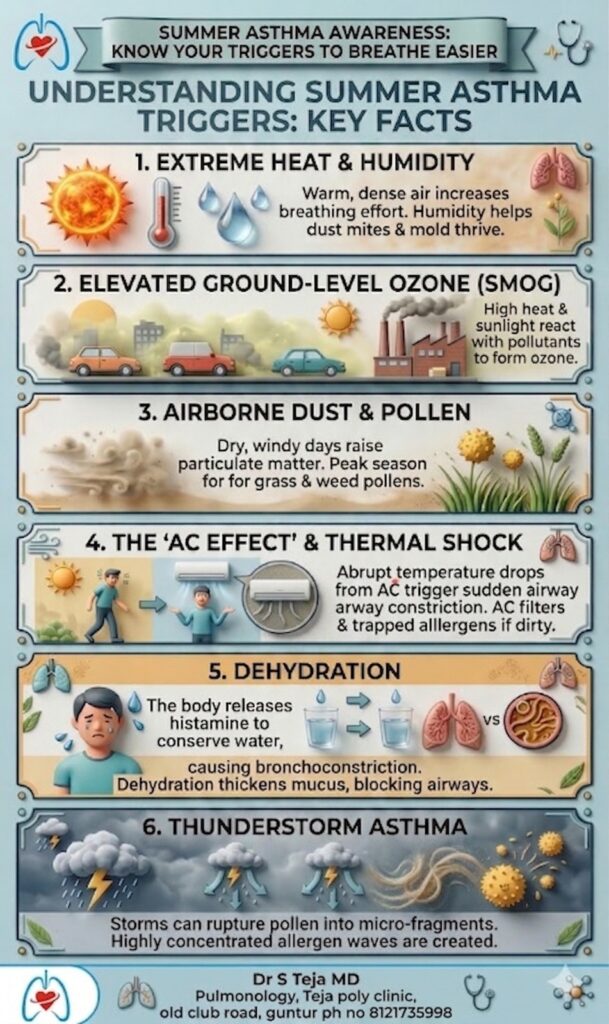
Many people ask, can dehydration trigger asthma? While dehydration itself is not a direct cause of asthma, it plays a crucial role in worsening symptoms and triggering asthma flare-ups. The respiratory system relies heavily on proper hydration to function efficiently, and even mild dehydration can negatively impact airway health.
According to insights shared by an Asthma Specialist in Guntur, maintaining optimal hydration is an often-overlooked yet essential factor in managing asthma effectively. Let’s explore the scientific mechanisms that explain how dehydration can aggravate asthma.
- Histamine Release and Bronchoconstriction
One of the key reasons why dehydration can worsen asthma lies in the body’s natural defense mechanisms. When the body experiences low water levels, it attempts to conserve fluids by releasing histamine.
Histamine plays a vital role in regulating water balance, but it also has a direct impact on the respiratory system. Increased histamine levels cause the airway muscles to tighten, leading to bronchoconstriction.
For individuals with asthma, this response can be dangerous. The narrowed airways make breathing more difficult and can trigger asthma symptoms such as wheezing, coughing, and shortness of breath. This explains why experts often emphasize hydration as part of asthma management.
- Thickened Mucus and Airway Blockage
Another important factor to consider when asking can dehydration trigger asthma is its effect on mucus production. The airways are lined with a thin mucus layer that is primarily made up of water.
When the body becomes dehydrated, this mucus loses its fluidity and becomes thick and sticky. This change has serious consequences:
- It blocks smaller airways
- It traps dust, allergens, and bacteria
- It slows down the natural cleaning mechanism of the lungs
This process, known as impaired mucociliary clearance, increases the risk of airway obstruction and infection. An experienced Asthma Specialist in Guntur often observes that patients with poor hydration are more prone to severe symptoms due to mucus buildup.
- Reduction in Airway Surface Liquid (ASL)
The airway surface liquid (ASL) is a thin layer of fluid that protects and lubricates the respiratory tract. It plays a critical role in keeping the airways moist and helping remove harmful particles.
Dehydration reduces the volume of this protective layer. As a result:
- The airway lining becomes dry and irritated
- Allergens like pollen and dust stay longer in contact with airway tissues
- Inflammation increases significantly
This heightened sensitivity makes the lungs more reactive to triggers, further increasing the chances of asthma attacks. This is another strong reason why the answer to can dehydration trigger asthma leans toward yes, especially in vulnerable individuals.
- The Hyperventilation-Dehydration Cycle
Breathing itself causes the body to lose water. During normal conditions, this loss is minimal. However, during an asthma attack, breathing becomes rapid and shallow, leading to increased water loss.
If a person is already dehydrated, this creates a harmful cycle:
- Dehydration worsens airway irritation
- Asthma symptoms increase breathing rate
- Faster breathing leads to more fluid loss
This vicious loop can quickly intensify asthma symptoms and make recovery more difficult. According to any leading Asthma Specialist in Guntur, breaking this cycle through proper hydration is crucial during asthma management.
- Impact on Cellular and Immune Function
Hydration is essential for maintaining healthy cellular activity, including immune responses in the lungs. When the body lacks sufficient water, immune cells do not function optimally.
This leads to:
- Increased susceptibility to respiratory infections
- Slower recovery from inflammation
- Higher risk of asthma exacerbations
Respiratory infections are one of the most common triggers for asthma attacks. Therefore, dehydration indirectly increases asthma risk by weakening the body’s defense mechanisms.
Final Thoughts
So, can dehydration trigger asthma? While it may not directly cause the condition, it significantly contributes to worsening symptoms and increasing the frequency of asthma attacks. From histamine release to thickened mucus and reduced airway protection, dehydration impacts multiple aspects of respiratory health.
Staying well-hydrated is a simple yet powerful step in asthma prevention and control. If you frequently experience breathing issues or asthma flare-ups, consulting an experienced Asthma Specialist in Guntur can help you develop a personalized care plan.
Prioritize hydration, monitor your symptoms, and take proactive steps to protect your lung health—because even small changes can make a big difference in managing asthma effectively.