
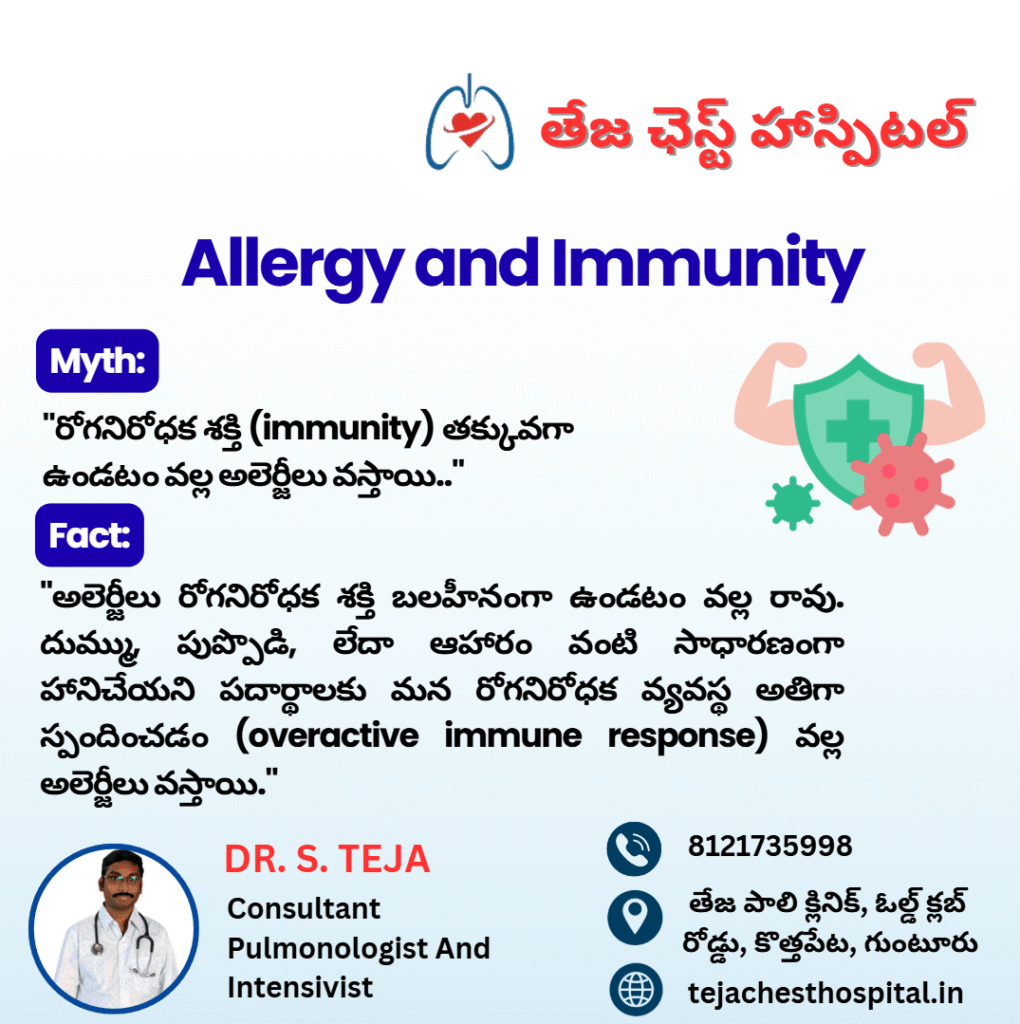
Breaking the Most Common Allergy Myth
One of the most persistent misconceptions about allergies is that they occur in people with “weak immunity.” This couldn’t be further from the truth. In fact, allergies are a sign of an overactive immune system, not an underactive one.
What Really Happens During an Allergic Reaction
When you have an allergy, your immune system mistakenly identifies harmless substances—like pollen, dust, or certain foods—as dangerous invaders. Instead of ignoring these substances, your immune system launches a full-scale attack against them, causing the symptoms we know as allergic reactions.
Think of it this way: Your immune system is like a security guard that’s being overly cautious. Instead of letting harmless visitors pass through, it treats everyone as a potential threat and sounds the alarm every time.
The Science Behind Immune Hyperreactivity
Allergic reactions are classified as Type I hypersensitivity reactions. This means your immune system produces excessive amounts of antibodies called Immunoglobulin E (IgE) when exposed to allergens. These antibodies trigger the release of chemicals like histamine, which cause the familiar allergy symptoms such as:
- Sneezing and runny nose
- Itchy, watery eyes
- Skin rashes or hives
- Difficulty breathing (in severe cases)
Why This Myth is Harmful
Believing that allergies indicate weak immunity can lead to several problems:
Misguided Treatments: People might try to “boost” their immunity with supplements or treatments that could actually make allergies worse.
Delayed Medical Care: Parents might think their allergic child just needs immune system support rather than proper allergy management.
Unnecessary Worry: Those with allergies might worry unnecessarily about their overall health and immune function.
The Real Relationship Between Immunity and Allergies
Research suggests that our modern, highly sanitized environment might actually contribute to allergies. The “hygiene hypothesis” proposes that reduced early-life exposure to microbes may lead our immune systems to overreact to harmless substances later in life.
This doesn’t mean you should avoid cleanliness, but it helps explain why allergies are more common in developed countries with strict hygiene practices.
Managing Allergies Properly
Understanding that allergies result from immune overactivity, not weakness, changes how we approach treatment:
Avoidance: The primary strategy is identifying and avoiding your specific triggers.
Medication: Antihistamines and other allergy medications work by controlling the overactive immune response, not by “boosting” immunity.
Immunotherapy: Allergy shots gradually train your immune system to tolerate allergens rather than overreact to them.
Emergency Preparedness: For severe allergies, carrying an epinephrine auto-injector is crucial, as allergic reactions can be life-threatening.
Take-Home Message
Allergies are not a sign of immune deficiency—they’re evidence of an immune system that’s working too hard against harmless substances. If you or your loved ones have allergies, focus on proper identification of triggers, appropriate medical treatment, and emergency preparedness rather than trying to “strengthen” an immune system that’s already overactive.
Remember: A balanced immune system, not a “boosted” one, is what we should aim for. If you’re struggling with allergies, consult with an allergist who can help you develop an appropriate management plan based on scientific understanding rather than myths.
Understanding the truth about allergies helps us make better decisions about treatment and removes unnecessary worry about immune system “weakness.” Share this information to help others understand that allergies are about immune overreaction, not immune deficiency.
అలెర్జీల గురించిన నిజాలు: ఇది బలహీనమైన రోగనిరోధక శక్తి సమస్య కాదు
అలెర్జీల గురించి సర్వసాధారణంగా ఉండే అపోహను బద్దలు కొడదాం
అలెర్జీల గురించి ఎప్పటినుంచో బలంగా పాతుకుపోయిన అపోహ ఏమిటంటే, “బలహీనమైన రోగనిరోధక శక్తి (weak immunity)” ఉన్నవారికి ఇవి వస్తాయని అనుకోవడం. కానీ ఇందులో ఎంతమాత్రం నిజం లేదు. వాస్తవానికి, అలెర్జీలు రోగనిరోధక వ్యవస్థ బలహీనంగా ఉన్నందుకు కాదు, అది అతిగా స్పందిస్తున్నందుకు (overactive) వచ్చే సమస్య.
అలెర్జీ వచ్చినప్పుడు అసలు ఏం జరుగుతుంది?
మీకు అలెర్జీ ఉన్నప్పుడు, మీ రోగనిరోధక వ్యవస్థ పుప్పొడి, దుమ్ము లేదా కొన్ని రకాల ఆహార పదార్థాల వంటి హాని చేయని వాటిని కూడా ప్రమాదకరమైన శత్రువులుగా పొరపాటున గుర్తిస్తుంది. ఈ పదార్థాలను పట్టించుకోకుండా వదిలేయడానికి బదులుగా, మీ రోగనిరోధక వ్యవస్థ వాటిపై పూర్తిస్థాయిలో దాడి చేస్తుంది. దీనివల్లే మనకు అలెర్జీ లక్షణాలు కనిపిస్తాయి.
ఉదాహరణకు : మీ రోగనిరోధక వ్యవస్థ ఒక సెక్యూరిటీ గార్డు లాంటిది, కానీ అతను మరీ అతి జాగ్రత్తగా ఉంటున్నాడు. హాని చేయని సందర్శకులను లోపలికి పంపడానికి బదులుగా, ప్రతి ఒక్కరినీ ప్రమాదకరమైన వారిగా భావించి ప్రతీసారీ అలారం మోగిస్తున్నాడు.
రోగనిరోధక వ్యవస్థ అతిగా స్పందించడం వెనుక ఉన్న సైన్స్
అలెర్జీ ప్రతిచర్యలను “టైప్ I హైపర్సెన్సిటివిటీ రియాక్షన్స్”గా వర్గీకరిస్తారు. అంటే, మీ శరీరం అలెర్జీ కారకాలకు (allergens) గురైనప్పుడు, మీ రోగనిరోధక వ్యవస్థ “ఇమ్యునోగ్లోబులిన్ E (IgE)” అనే యాంటీబాడీలను అధిక మొత్తంలో ఉత్పత్తి చేస్తుంది. ఈ యాంటీబాడీలు హిస్టమిన్ వంటి రసాయనాలను విడుదలయ్యేలా ప్రేరేపిస్తాయి. దీనివల్లే మనకు తెలిసిన అలెర్జీ లక్షణాలైన:
- తుమ్ములు
- ముక్కు కారడం
- కళ్ళు దురద పెట్టడం మరియు నీరు కారడం
- చర్మంపై దద్దుర్లు
- వాపు
వంటివి కనిపిస్తాయి.
ఈ అపోహ ఎందుకు హానికరం?
అలెర్జీలు బలహీనమైన రోగనిరోధక శక్తిని సూచిస్తాయని నమ్మడం వల్ల అనేక సమస్యలు తలెత్తవచ్చు:
- తప్పుదోవ పట్టించే చికిత్సలు: రోగనిరోధక శక్తిని “పెంచుకోవడానికి” (boost) ప్రజలు సప్లిమెంట్లు లేదా ఇతర చికిత్సలు ప్రయత్నించవచ్చు, కానీ అవి అలెర్జీలను మరింత తీవ్రతరం చేయవచ్చు.
- వైద్య సంరక్షణలో ఆలస్యం: అలెర్జీ ఉన్న పిల్లల తల్లిదండ్రులు, తమ పిల్లలకు సరైన అలెర్జీ చికిత్స బదులు, రోగనిరోధక శక్తిని పెంచితే సరిపోతుందని అనుకోవచ్చు.
- అనవసరమైన ఆందోళన: అలెర్జీలు ఉన్నవారు తమ మొత్తం ఆరోగ్యం మరియు రోగనిరోధక శక్తి గురించి అనవసరంగా ఆందోళన చెందుతారు.
రోగనిరోధక శక్తికి, అలెర్జీలకు మధ్య ఉన్న నిజమైన సంబంధం
మన ఆధునిక, అత్యంత పరిశుభ్రమైన వాతావరణమే అలెర్జీలకు దోహదపడవచ్చు అని పరిశోధనలు సూచిస్తున్నాయి. “హైజీన్ హైపోథెసిస్” (పరిశుభ్రత సిద్ధాంతం) ప్రకారం, చిన్నతనంలో సూక్ష్మక్రిములకు తక్కువగా గురికావడం వల్ల మన రోగనిరోధక వ్యవస్థలు తరువాత జీవితంలో హానిచేయని పదార్థాలపై అతిగా స్పందించడానికి దారితీస్తుందని ప్రతిపాదిస్తుంది.
అంటే మీరు శుభ్రతను వదిలేయాలని కాదు, కానీ అభివృద్ధి చెందిన దేశాలలో కఠినమైన పరిశుభ్రతా పద్ధతులు పాటించడం వల్లే అలెర్జీలు ఎందుకు ఎక్కువగా ఉన్నాయో ఇది వివరిస్తుంది.
అలెర్జీలను సరిగ్గా నిర్వహించడం
అలెర్జీలు రోగనిరోధక శక్తి బలహీనత వల్ల కాకుండా, అతిగా స్పందించడం వల్ల వస్తాయని అర్థం చేసుకోవడం చికిత్సా విధానాన్ని మారుస్తుంది:
- దూరంగా ఉండటం: మీకు అలెర్జీ కలిగించే నిర్దిష్ట కారకాలను గుర్తించి, వాటికి దూరంగా ఉండటమే ప్రాథమిక వ్యూహం.
- మందులు: యాంటీహిస్టమైన్లు మరియు ఇతర అలెర్జీ మందులు రోగనిరోధక శక్తిని “పెంచడం” ద్వారా కాకుండా, అతిగా స్పందించే రోగనిరోధక ప్రతిస్పందనను నియంత్రించడం ద్వారా పనిచేస్తాయి.
- ఇమ్యునోథెరపీ: అలర్జీ షాట్స్ ద్వారా మీ రోగనిరోధక వ్యవస్థకు అలెర్జీ కారకాలపై అతిగా స్పందించకుండా, వాటిని తట్టుకునేలా క్రమంగా శిక్షణ ఇస్తారు.
- అత్యవసర సంసిద్ధత: తీవ్రమైన అలెర్జీలు ఉన్నవారికి, అలెర్జీ ప్రతిచర్యలు ప్రాణాంతకం కావచ్చు కాబట్టి, ఎల్లప్పుడూ ఒక ఎపినెఫ్రిన్ ఆటో-ఇంజెక్టర్ను వెంట ఉంచుకోవడం చాలా ముఖ్యం.
గుర్తుంచుకోవలసిన ముఖ్య విషయం
అలెర్జీలు రోగనిరోధక శక్తి లోపానికి సంకేతం కాదు—అవి హానిచేయని పదార్థాలకు వ్యతిరేకంగా మీ రోగనిరోధక వ్యవస్థ అవసరానికి మించి ఎక్కువగా పనిచేస్తోందనడానికి నిదర్శనం. మీకు లేదా మీ ప్రియమైనవారికి అలెర్జీలు ఉంటే, రోగనిరోధక శక్తిని “బలపరిచేందుకు” ప్రయత్నించే బదులు, అలెర్జీ కారకాలను సరిగ్గా గుర్తించడం, సరైన వైద్య చికిత్స తీసుకోవడం మరియు అత్యవసర పరిస్థితులకు సిద్ధంగా ఉండటంపై దృష్టి పెట్టండి.
గుర్తుంచుకోండి: మనకు కావలసింది “అధిక శక్తివంతమైన” రోగనిరోధక వ్యవస్థ కాదు, సమతుల్యమైన రోగనిరోధక వ్యవస్థ. మీరు అలెర్జీలతో ఇబ్బంది పడుతుంటే, అపోహల ఆధారంగా కాకుండా శాస్త్రీయ అవగాహన ఆధారంగా మీకు సరైన చికిత్సా ప్రణాళికను రూపొందించడంలో సహాయపడే ఒక అలెర్జీ స్పెషలిస్ట్ను సంప్రదించండి.
అలెర్జీల గురించిన నిజాన్ని అర్థం చేసుకోవడం ద్వారా, చికిత్స గురించి మనం మంచి నిర్ణయాలు తీసుకోగలుగుతాం మరియు రోగనిరోధక వ్యవస్థ “బలహీనత” గురించిన అనవసరమైన ఆందోళనను తొలగించుకోగలుగుతాం. అలెర్జీలు అంటే రోగనిరోధక శక్తి లోపం కాదు, అది అతిగా స్పందించడం అని ఇతరులకు అర్థమయ్యేలా ఈ సమాచారాన్ని పంచుకోండి.