
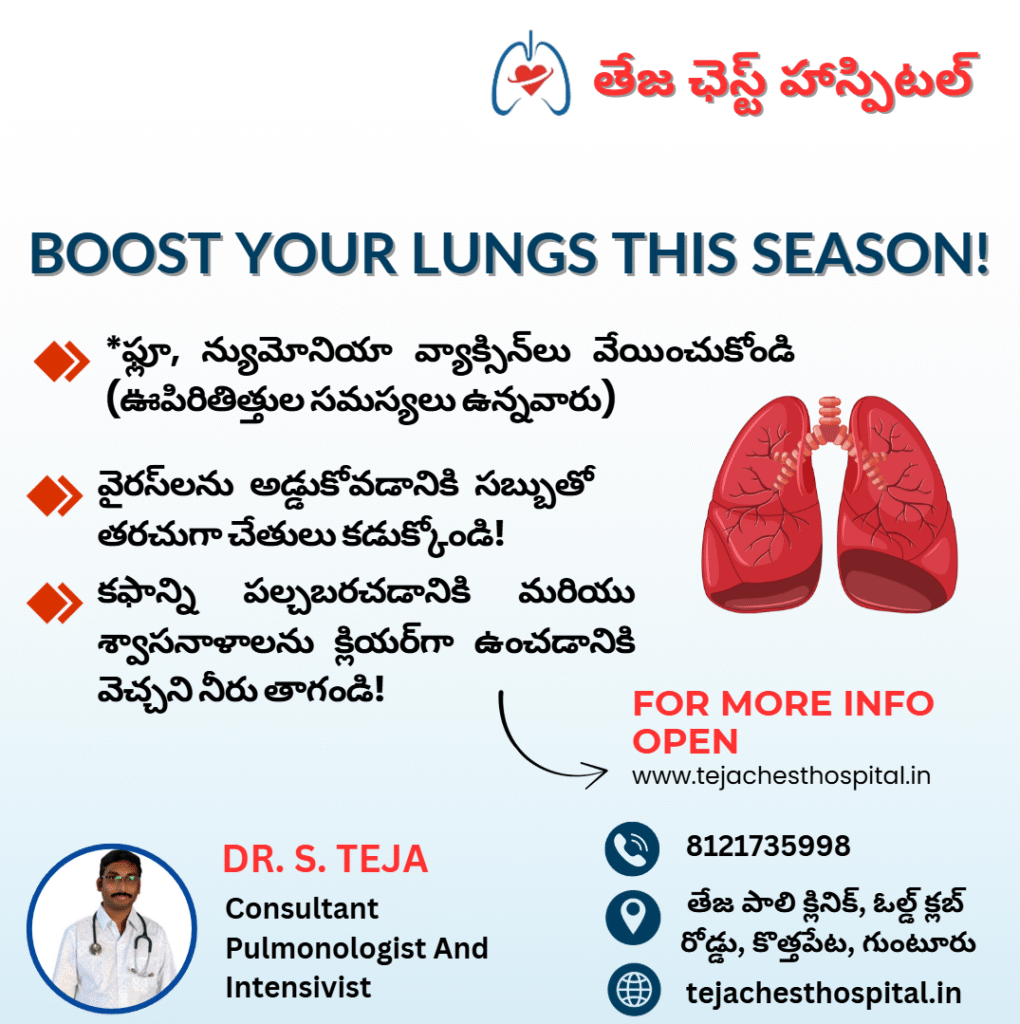
Seasonal respiratory infections pose significant health risks, especially for individuals with underlying lung conditions. However, comprehensive prevention strategies including vaccination, proper hygiene, and supportive care can dramatically reduce your risk of severe complications and hospitalizations.
The Critical Importance of Vaccination
Flu Vaccination: Your First Line of Defense
Influenza vaccination remains one of the most effective ways to protect your respiratory health during seasonal transitions. Recent data from the 2024-2025 influenza season demonstrates substantial protection across all age groups. Among children and adolescents, vaccine effectiveness ranged from 32% to 60% in outpatient settings and reached an impressive 63% to 78% against influenza-associated hospitalizations. For adults, effectiveness was 36% to 54% in outpatient settings and 41% to 55% against hospitalization.
The protective benefits extend far beyond preventing infection. Studies show that influenza vaccination can reduce the risk of respiratory infections by up to 21% overall, with some populations experiencing risk reductions ranging from 6% to 44%. For patients with chronic obstructive pulmonary disease (COPD), influenza vaccination showed a 36.5% uptake rate among healthcare providers, though this protective measure significantly reduces exacerbations and hospitalization risk.
Pneumonia Prevention: A Crucial Shield
Pneumococcal vaccination offers substantial protection against one of the leading causes of respiratory-related mortality. Research indicates that PCV13 vaccination provides 10.0% effectiveness against hospitalized pneumonia and 9.4% effectiveness against lower respiratory tract infections. More importantly, pneumococcal vaccines demonstrate 46% efficacy against vaccine-type pneumococcal pneumonia and an remarkable 75% efficacy against severe disease.
Unfortunately, vaccination rates remain concerningly low. National pneumococcal vaccination coverage averages only 13.4%, with significant regional variations ranging from 0% to 34% across metropolitan areas. In India specifically, vaccination coverage among older adults remains critically low at just 0.6% for pneumococcal disease.
COVID-19 Protection: Safeguarding Lung Health
COVID-19 vaccination continues to provide robust protection against severe respiratory complications. Large-scale studies demonstrate that vaccination status significantly impacts respiratory outcomes, with unvaccinated individuals showing increased odds of death (adjusted OR: 1.17 for Delta variant, 1.2 for Omicron variant). Recent research confirms that COVID-19 vaccination does not increase the risk of developing various lung diseases, providing reassurance about respiratory safety.
WHO data reveals that COVID-19 vaccinations prevented over half of hospitalizations and severe outcomes, including death, particularly benefiting vulnerable populations with underlying conditions. The protective effect is particularly pronounced for lung involvement, with vaccinated patients showing significantly less severe pulmonary complications compared to unvaccinated individuals.
Hand Hygiene: Simple Yet Powerful Protection
Proper hand hygiene represents one of the most cost-effective interventions for preventing respiratory infections. Meta-analysis data shows that handwashing can reduce respiratory infection risk by 16% to 24%. Each individual hand hygiene event is associated with a 3% decrease in daily infection probability.
The frequency of handwashing matters significantly. Studies indicate that washing hands more than 10 times per day can effectively reduce respiratory disease infection risk compared to washing 4 times or fewer daily. The CDC confirms that proper handwashing prevents approximately 20% of respiratory infections, including common colds.
Research demonstrates that healthcare settings can prevent up to 50% of avoidable infections through appropriate hand hygiene practices. The protective effect is particularly pronounced during epidemic conditions, where systematic hand hygiene interventions have shown effectiveness in reducing community transmission of respiratory pathogens.
Warm Fluids: Supporting Natural Defense Mechanisms
Consuming warm fluids provides measurable benefits for respiratory health through multiple mechanisms. Clinical studies demonstrate that drinking hot liquids significantly increases nasal mucus velocity – hot water increased velocity from 6.2 to 8.4 mm per minute, while hot chicken soup boosted it from 6.9 to 9.2 mm per minute. This enhanced mucus clearance helps remove pathogens and irritants from respiratory passages.
Hydration maintains optimal mucus consistency, preventing thickening that can impair natural clearance mechanisms. Warm liquids specifically help thin mucus secretions, making them easier to expel through coughing. The therapeutic effect appears to work through nasal inhalation of water vapor and potentially through taste-related mechanisms that stimulate mucosal function.
Healthcare professionals recommend warm fluids as part of comprehensive respiratory care, noting that proper hydration keeps mucus thin and airways clear. This simple intervention supports your body’s natural defense systems while providing comfort during respiratory challenges.
The Disproportionate Risk for Vulnerable Populations
Individuals with chronic respiratory conditions face significantly elevated risks from seasonal infections. Patients with COPD, asthma, and other lung diseases experience more severe complications, higher hospitalization rates, and increased mortality when infected with respiratory pathogens. Vaccination becomes particularly crucial for these populations, as preventive strategies can dramatically reduce disease burden and improve quality of life.
Unvaccinated patients with respiratory conditions show substantially higher rates of severe outcomes. Data reveals that unvaccinated COVID-19 patients had mortality rates of 28.67% compared to just 7.61% for single-dose vaccinated patients. Similarly, unvaccinated individuals demonstrated significantly higher rates of severe pulmonary involvement and complications.
The Stark Reality of Current Prevention Gaps
Despite overwhelming evidence supporting vaccination, coverage rates remain inadequately low, particularly in developing countries. In India, healthcare worker influenza vaccination coverage has improved from 4.4% to 36.78% over the past decade, but this still falls far short of optimal protection levels. Adult vaccination rates for key respiratory pathogens remain below 2% for most vaccines.
This vaccination gap translates directly into preventable disease burden. Respiratory infections remain leading causes of hospitalization and mortality, with pneumococcal pneumonia accounting for approximately 55% of all lower respiratory tract infection-related deaths. The seasonal nature of many respiratory infections means that timing vaccination appropriately can maximize protection during peak transmission periods.
A Comprehensive Approach to Respiratory Protection
The evidence overwhelmingly supports a multi-layered approach to seasonal lung protection. Vaccination against influenza, pneumonia, and COVID-19 provides the foundation of protection, particularly for individuals with underlying lung conditions. This pharmaceutical defense should be complemented by consistent hand hygiene practices and supportive measures like adequate warm fluid intake.
The data clearly demonstrates that proactive prevention strategies are far more effective and cost-efficient than treating complications after they occur. With seasonal respiratory infections causing significant morbidity and mortality globally, implementing these evidence-based protective measures represents both individual health wisdom and broader public health responsibility.
For individuals with chronic respiratory conditions, these preventive strategies are not optional recommendations but essential medical interventions that can mean the difference between stable health and severe complications requiring hospitalization or worse outcomes.