
Dampness Causing Breathing Problems: How Monsoon Dampness and Mold Affect Your Lungs
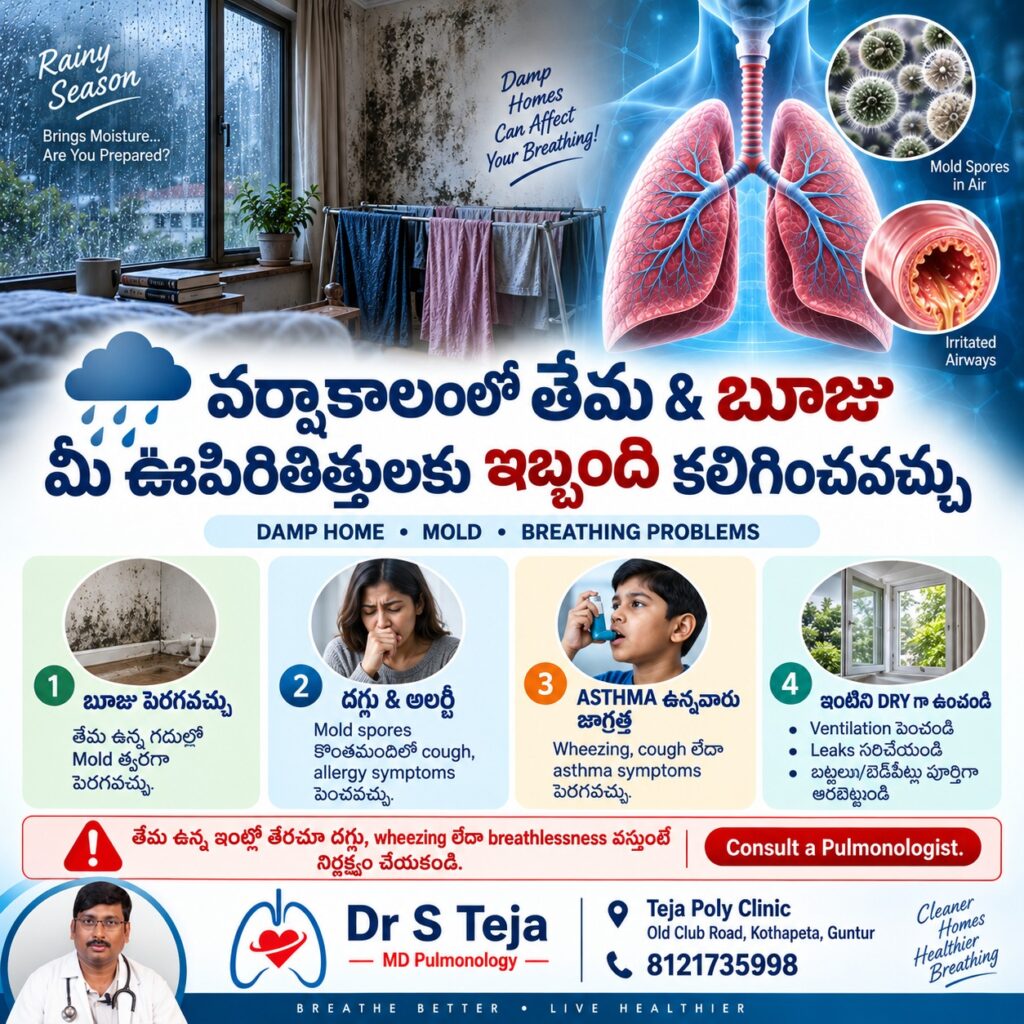
Dampness Causing Breathing Problems: How Monsoon Dampness and Mold Affect Your Lungs
During the monsoon season, rain brings relief from the heat but also creates a hidden health concern inside many homes: dampness and mold. Wet walls, leaking ceilings, poor ventilation, and increased indoor humidity can encourage mold growth and affect indoor air quality.
For some people, especially those with asthma, allergies, or sensitive airways, dampness causing breathing problems can lead to persistent coughing, wheezing, chest tightness, nasal congestion, and shortness of breath.
Understanding the connection between damp indoor spaces and respiratory health can help you identify symptoms early and take appropriate steps to protect your lungs.
How Does Dampness Affect Your Lungs?
Damp environments provide favorable conditions for mold and other microorganisms to grow. Mold can release tiny spores into the air. When these particles are inhaled, they may irritate the respiratory system or trigger an allergic reaction in susceptible individuals.
The effects can vary from person to person. Some people may experience mild nasal irritation, while others may develop significant respiratory symptoms.
1. Mold Can Trigger Allergies
Mold spores can act as allergens. In sensitive individuals, exposure may cause:
Sneezing and runny nose
Nasal congestion
Itchy or watery eyes
Throat irritation
Coughing
Wheezing
People with existing allergies or asthma may notice that their symptoms become worse when they spend prolonged periods in a damp or moldy room.
2. Dampness Can Worsen Asthma Symptoms
Asthma involves sensitive and inflamed airways. Exposure to allergens such as mold can trigger airway narrowing in some people.
This may result in:
Chest tightness
Recurrent coughing
Wheezing
Difficulty breathing
Increased use of prescribed reliever medication
If you notice that your breathing symptoms repeatedly worsen inside a particular room or home, the indoor environment may be an important factor.
3. Persistent Mold Exposure Can Irritate the Airways
Repeated exposure to poor indoor air quality can contribute to ongoing respiratory irritation. A cough that continues for weeks should not automatically be attributed to a seasonal infection.
Other conditions, including asthma, allergic airway disease, and certain fungal-related lung conditions, may also need to be considered by a doctor.
Dampness Causing Breathing Problems: What Symptoms Should You Watch For?
One of the most useful clues is a pattern between your symptoms and your environment.
You may need to pay attention if you experience:
A cough that becomes worse at home
Wheezing after spending time in a damp room
Shortness of breath without an obvious cause
Chest tightness
Frequent sneezing or nasal congestion
Irritated or watery eyes
A persistent musty smell inside the house
Symptoms that improve after leaving the damp environment
However, these symptoms are not specific to mold exposure. Respiratory infections, asthma, allergies, smoking, pollution, and several other conditions can cause similar complaints.
Is It a Cold or a Reaction to Dampness?
A viral respiratory infection commonly improves over time, whereas symptoms associated with an indoor trigger may repeatedly return when you are exposed to the same environment.
For example, if your cough and wheezing repeatedly become worse after spending several hours in a room with visible mold or damp walls and improve when you leave that environment, it is worth discussing this pattern with a healthcare professional.
Do not attempt to diagnose yourself based only on the presence of mold. A proper medical evaluation is important when respiratory symptoms are persistent or severe.
Who Is More Vulnerable?
Some people may be more sensitive to damp and moldy environments, including those with:
Asthma
Allergic rhinitis
Existing respiratory conditions
Mold allergies
Weakened immune systems
People with significant breathing difficulties should seek medical attention rather than relying only on home remedies or over-the-counter cough medicines.
How to Reduce Dampness and Protect Your Lungs
Managing the indoor environment is an important part of reducing exposure.
Keep Indoor Humidity Under Control
Aim to maintain indoor relative humidity below 50% where practical. Air conditioners, dehumidifiers, and adequate ventilation can help reduce excess moisture.
Fix Leaks Quickly
Check ceilings, bathrooms, window areas, exterior walls, and plumbing for water leakage. Simply painting over a damp or moldy surface does not solve the underlying moisture problem.
Improve Ventilation
Use exhaust fans in bathrooms and kitchens. Allow fresh air to circulate whenever weather conditions permit, while avoiding unnecessary outdoor pollution entering the home.
Clean Mold Safely
Small areas of surface mold may be cleaned appropriately, but extensive mold growth or persistent moisture problems may require professional remediation. Avoid disturbing large mold colonies unnecessarily, as this can increase airborne particles.
Keep Furniture Away From Damp Walls
Wardrobes and other large pieces of furniture placed directly against damp walls can restrict airflow and create areas where moisture accumulates. Allowing some space for air circulation can help.
When Should You See a Pulmonologist?
A persistent cough or breathing difficulty should not be ignored, particularly when symptoms repeatedly occur in a damp environment.
Consider consulting a Pulmonologist in Guntur if you have:
Persistent or recurrent cough
Repeated wheezing
Unexplained shortness of breath
Chest tightness
Asthma symptoms that are becoming difficult to control
Breathing symptoms that repeatedly worsen at home
Frequent respiratory symptoms during the monsoon
A pulmonologist can assess your symptoms, medical history, and possible environmental triggers and determine whether further evaluation or treatment is necessary.
Don’t Ignore Breathing Problems During Monsoon
Monsoon-related dampness is more than a household maintenance issue. For susceptible individuals, indoor dampness and mold can contribute to respiratory symptoms and aggravate existing airway conditions.
If you notice dampness causing breathing problems, look beyond temporary relief from cough medicines. Identify and address sources of moisture, improve indoor ventilation, and seek medical advice when symptoms persist.
Your home should be a place where you can breathe comfortably. Keeping indoor spaces dry, clean, and well ventilated can be an important step toward protecting your respiratory health throughout the rainy season.
If you are experiencing persistent cough, wheezing, or breathing difficulty, consult a qualified respiratory specialist or a Pulmonologist in Guntur for appropriate evaluation.