
TB Overdiagnosis Causes: What Every Patient Should Know
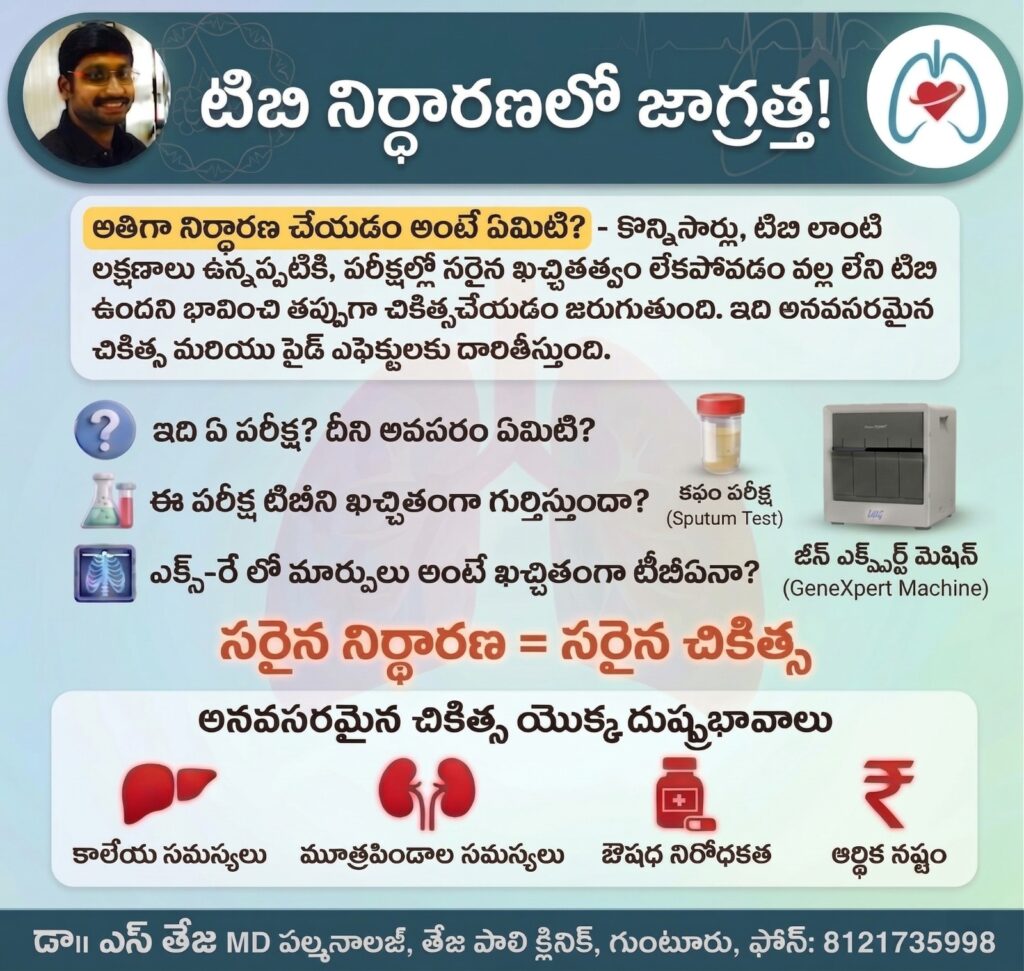
Tuberculosis (TB) continues to be a major public health concern, especially in countries like India. While most awareness campaigns focus on undiagnosed cases, there is another growing issue that deserves equal attention—TB overdiagnosis. Many patients are being treated for TB without confirmed evidence, leading to unnecessary physical, emotional, and financial stress. Understanding the TB overdiagnosis causes can help patients make informed decisions and seek accurate care from a qualified pulmonologist.
What is TB Overdiagnosis?
TB overdiagnosis happens when a person is diagnosed with tuberculosis without proper laboratory confirmation. Instead of identifying the actual TB bacteria, treatment is often started based on symptoms or imaging results alone. This can result in patients undergoing months of intense treatment for a disease they may not even have.
Major TB Overdiagnosis Causes
1. Reliance on Clinical Symptoms
One of the primary TB overdiagnosis causes is diagnosing based only on symptoms such as persistent cough, fever, weight loss, or fatigue. While these symptoms are common in TB, they can also occur in other respiratory conditions like bronchitis, pneumonia, or viral infections. Treating based on symptoms alone increases the risk of misdiagnosis.
2. Misinterpretation of Chest X-rays
Chest X-rays are often used as an initial screening tool, but they are not definitive for TB. Old scars from healed infections, lung inflammation, or other diseases can appear similar to active TB. Many patients are incorrectly diagnosed due to over-reliance on imaging without confirmatory tests.
3. Limited Access to Advanced Testing
In some healthcare settings, especially in resource-limited areas, doctors may not have easy access to advanced diagnostic tools. As a result, they may skip microbiological confirmation and start treatment immediately. This contributes significantly to TB overdiagnosis.
4. “Better Safe Than Sorry” Approach
Some healthcare providers prescribe TB medication as a precaution, assuming it is safer to treat early than risk complications. However, this approach can be harmful when the diagnosis is not accurate.
The Impact of Unnecessary TB Treatment
Treating TB is not a short-term process. It usually involves a combination of strong antibiotics taken for at least six months. When given unnecessarily, this treatment can have serious consequences:
Physical Side Effects: Liver damage, nausea, joint pain, nerve issues, and vision problems.
Mental Health Impact: Anxiety, stigma, and social isolation.
Financial Burden: Repeated doctor visits, medication costs, and loss of income.
Antibiotic Resistance: Unnecessary medication contributes to drug resistance, making future infections harder to treat.
Importance of Accurate Diagnosis
Modern medicine emphasizes evidence-based diagnosis rather than assumptions. The GeneXpert Test (also known as CBNAAT) is a rapid and highly accurate method that detects TB bacteria and drug resistance. Similarly, sputum culture tests confirm the presence of bacteria by growing them in a lab.
If you are diagnosed with TB, it is essential to confirm the diagnosis using these tests before starting treatment.
Questions You Should Ask Your Doctor
To avoid unnecessary treatment, patients should actively participate in their diagnosis. Consider asking:
Has my diagnosis been confirmed with a GeneXpert test?
Was a sputum test or culture performed?
Is this diagnosis based only on my chest X-ray?
Seeking answers to these questions ensures that treatment decisions are based on solid evidence.
Role of a Pulmonologist in Guntur
Consulting a qualified Pulmonologist in Guntur can make a significant difference in accurate diagnosis and treatment. Pulmonologists specialize in lung diseases and are better equipped to interpret symptoms, imaging, and lab results correctly. They can guide patients toward appropriate testing methods and prevent unnecessary treatments.
The Bottom Line
TB overdiagnosis is a hidden but serious issue that affects many patients. Understanding the TB overdiagnosis causes helps individuals avoid misdiagnosis and its consequences. Accurate testing, including molecular diagnostics, should always be prioritized over assumptions.
If you or your loved one is suspected of having TB, consult a trusted pulmonologist, ask the right questions, and insist on proper diagnostic tests. Early and accurate diagnosis not only ensures correct treatment but also protects your overall health and well-being.